2024 Reading Wrapped

‘Take your time, I have a book with me’

What a marvellous year in books.

I got to see Ian McEwan, R.F Kuang and Deepti Kapoor all speak right here in ZΓΌrich.

I discovered a few indie bookshops, wiled away pages and cups of coffee at several new reading nooks in the city and rarely left the apartment without a book.
I did leave my pen at home though. Despite hiting a couple of writing milestones early in the year – finally distributing my first collection of poetry back on Amazon, outlining the second one, sought accountability partners, started actually writing (!)..I ultimately had to prioritise differently. As much as it pained me to say no to opportunities to review, contribute or submit, it also allowed me to cap my pen, guilt-free.

This also meant that my first love, reading, got the sort of attention that’s enriched this year’s reading wrap up. I hope you enjoy reading it as much as I enjoyed putting it together. πŸ“š

Let’s break down this post..

All about reading goals over the years, followed by four booklists – 1. this year’s fiction favourites 2. this year’s non-fiction favourites 3. a few more books I think you should check out, and finally 4. books that will appeal to the mood-readers amongst you. If you’re not into long-form, just click here for the summary.

  1. On reading goals
  2. Thanks for the context, but can I JUST have the lists?
  3. Top Fiction
  4. Top non-Fiction
  5. Honourable Mentions
  6. Books to escape reality with…

On reading goals

Reading Goal 71/70 in 2024. When I see the bookfluencers (yes this is a thing..) talking about 100+ books they’ve read on social media. I am always in awe but know immediately this is not for me. For this goal at least, I have found my happy plateau. At 70 books a year, reading accompanies my life but isn’t the main character. Loved ones know to optimise presents towards books, train rides and the queit luxury of reading surrounded by stunning vistas but also know to hold me accountable to all the other things I say I want to do. As all permanent habits invariably are, here is the years’ long journey to the summit of this goal
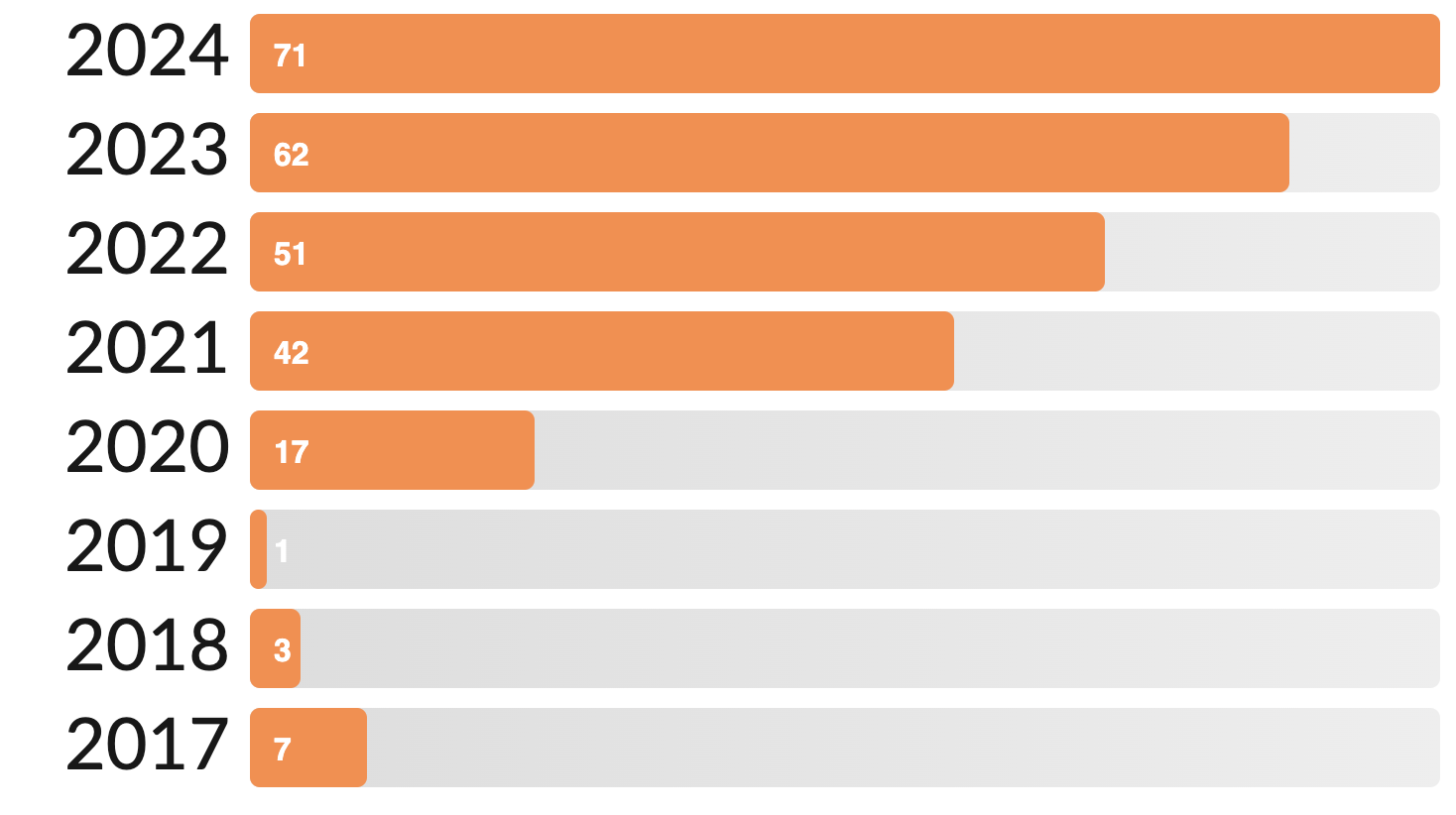
My reading choices were more pick than mix this year…stubbornly fiction-leaning, however with a lot of poetry thrown in and one German graphic novel. In 2025 I want to better diversify this mix- and duh, these goals are measurable.

2025 Reading Goals

  • Read 70 books
  • At least 15% of these books should be non-Fiction (i.e roughly ten books)
  • Read TWO books in German (pictures optional)
  • Re-read more books (starting with the Harry Potter series)
  • and as always…read more poetry, aiming for twelve volumes this year (1 book a month)
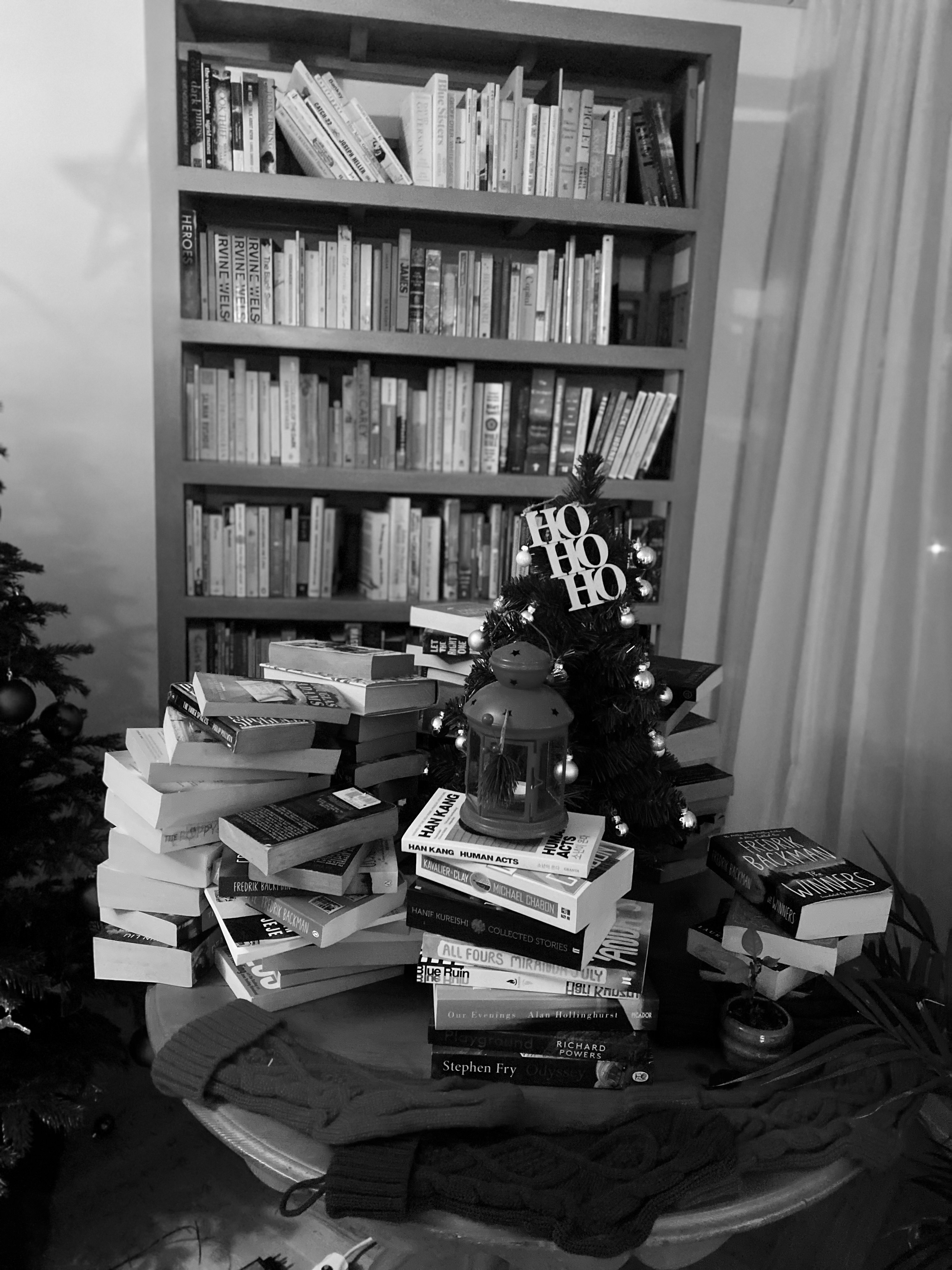
TBR table in disarray during an after-hours shelf rubix-cubing sesh…

Thanks for the context, but can I JUST have the lists?

Top Fiction

  • The Friend by Sigrid Nunez
  • We Have Always Lived in the Castle by Shirley Jackson
  • A Visit from the Goon Squad by Jennifer Egan
  • The Covenant of Water By Abraham Verghese
  • James by Percival Everett
  • Martyr by Kaveh Akbar
  • Beartown by Frederik Backman
  • Yellowface by R.F Kuang
  • The Great Believers by Rebecca Makkai
  • Brotherless Night by V.V. Ganeshananthan

Top non-Fiction

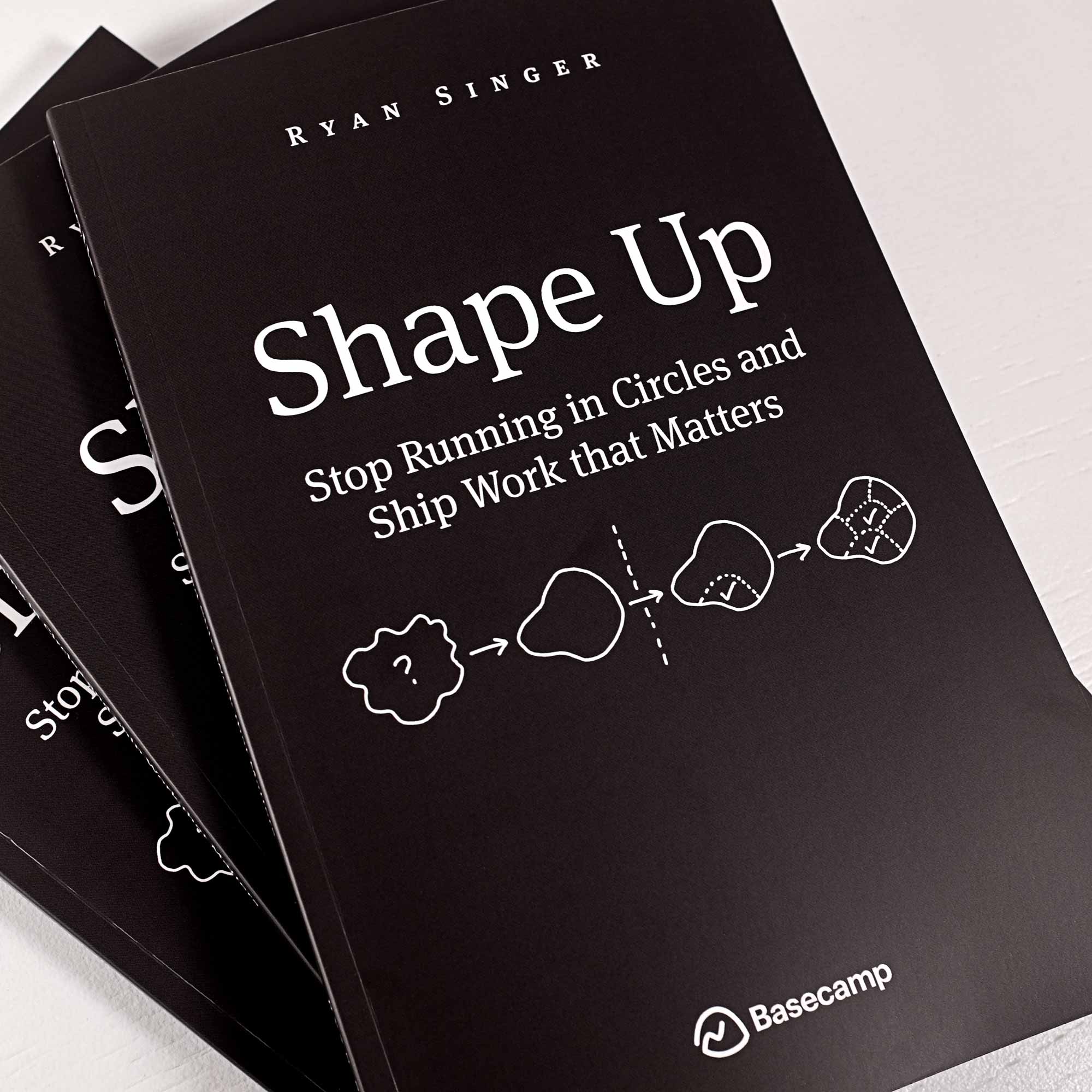
  • Shape Up by Ryan Singer
  • The Art of Gathering by Priya Parker
  • Empireworld by Sathnam Sanghera
  • Impossible City: A Hong Kong Memoir by Karen Cheung

Honourable Mentions

  • Reading Sri Lanka
    • The Seven Moons of Maali Almedia by Shehan Karunatilaka
    • Reef by Romesh Gunesekera
    • A Passage North by Anuk Arudpragasam
    • A Story of a Brief Marriage by Anuk Arudpragasam
    • Brotherless Night by V.V Ganeshananthan
    • Anil’s Ghost by Michael Ondaatje
  • We Should all be Feminists by Chimamanda Ngozi Adichie
  • Letters to a Young Poet by Rainer Maria Rilke

Books to escape reality with…

  • The Spell Shop by Sarah Beth Durst 
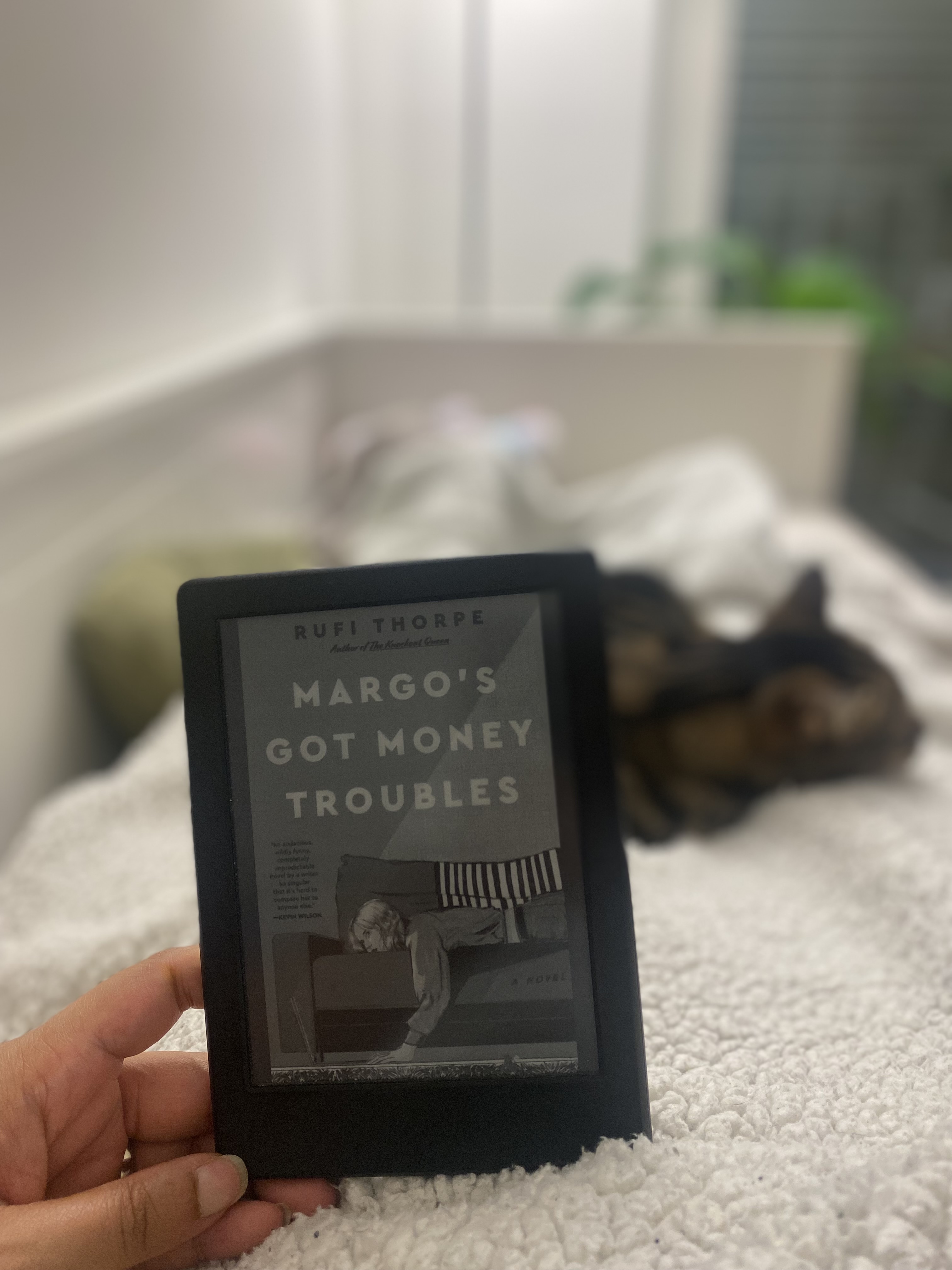
  • Margo’s got Money Troubles by Rufi Thorpe 
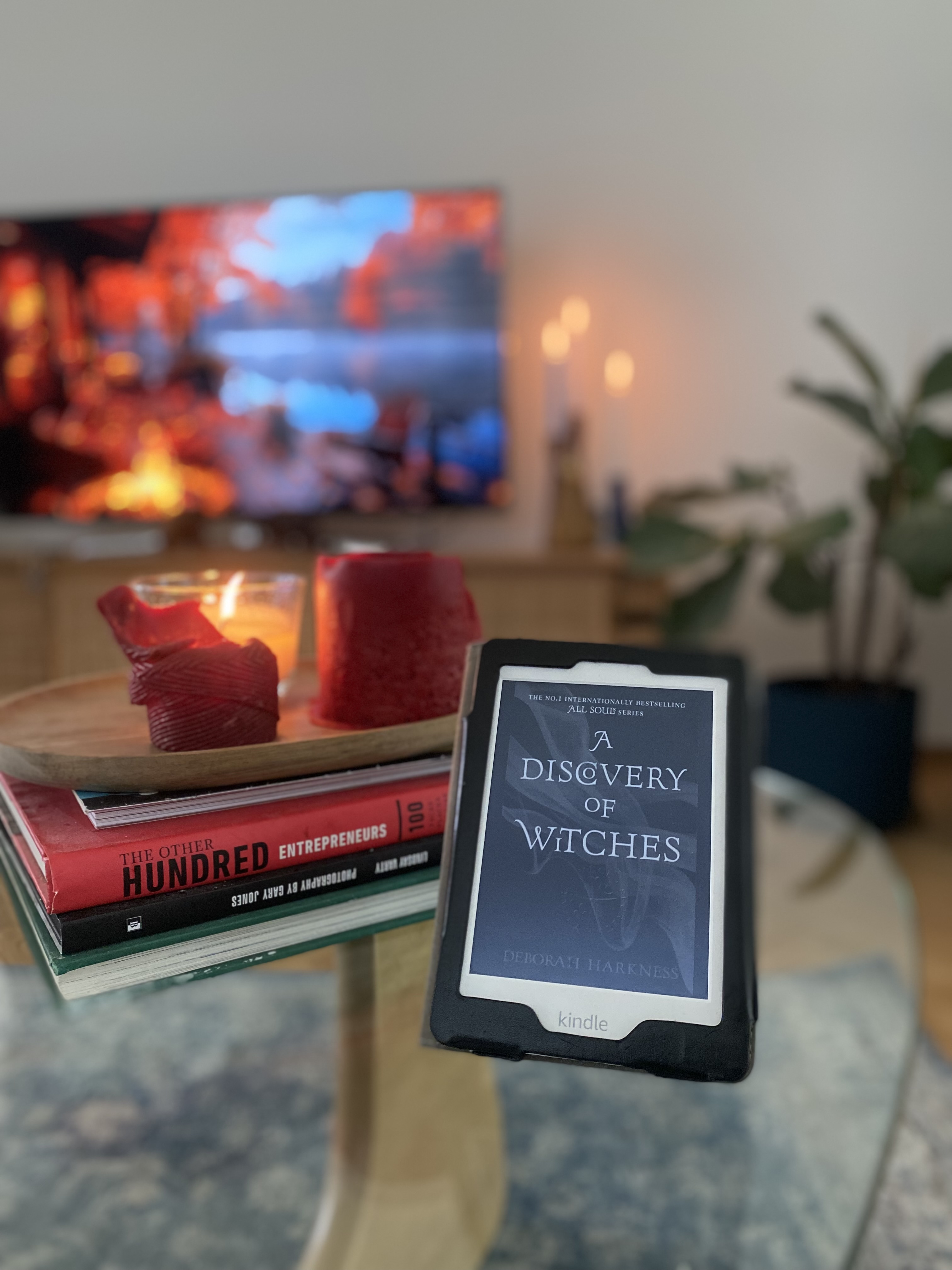
  • All Souls Trilogy by Deborah Harkness 
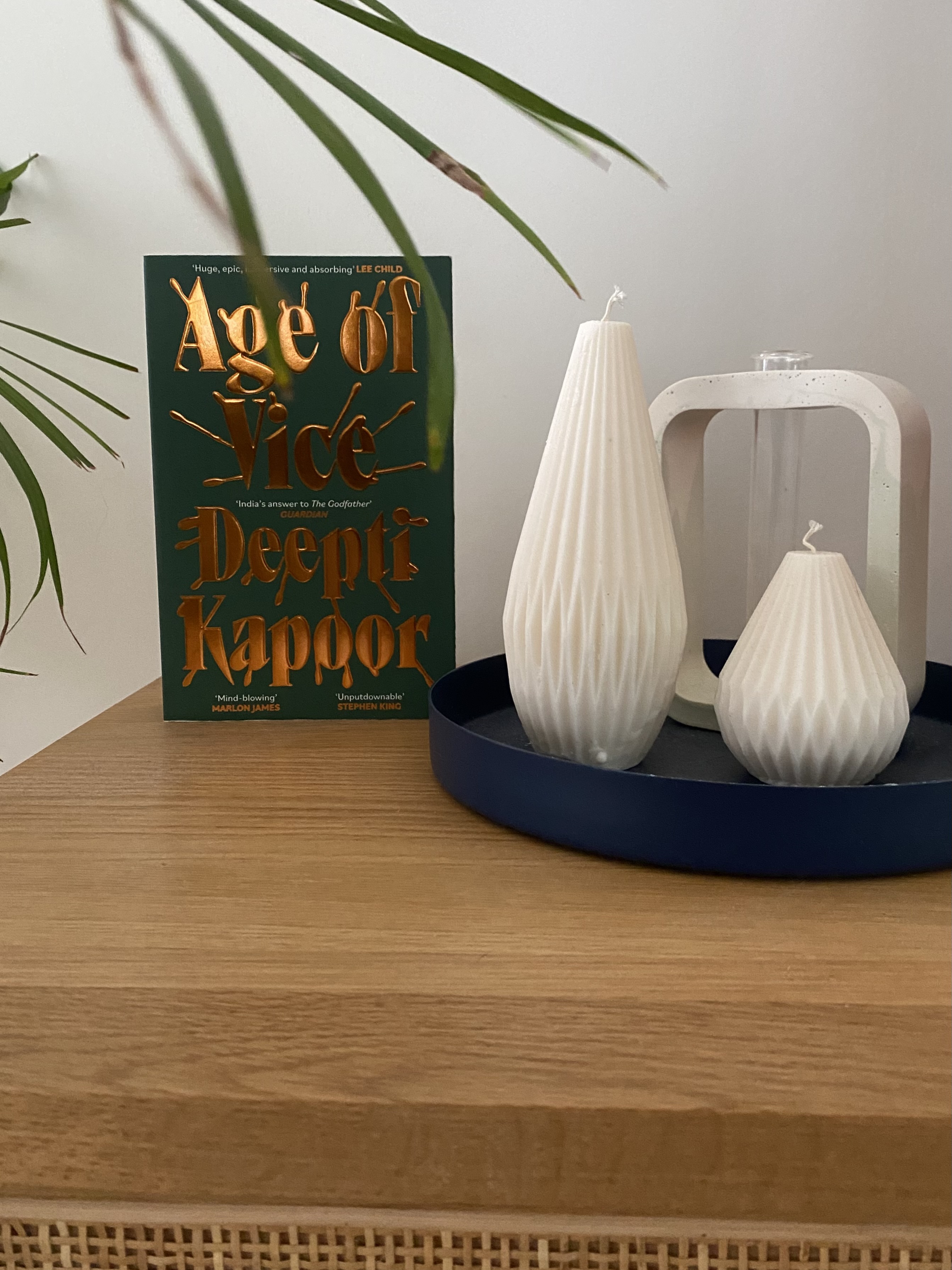
  • Age of Vice by Deepti Kapoor 
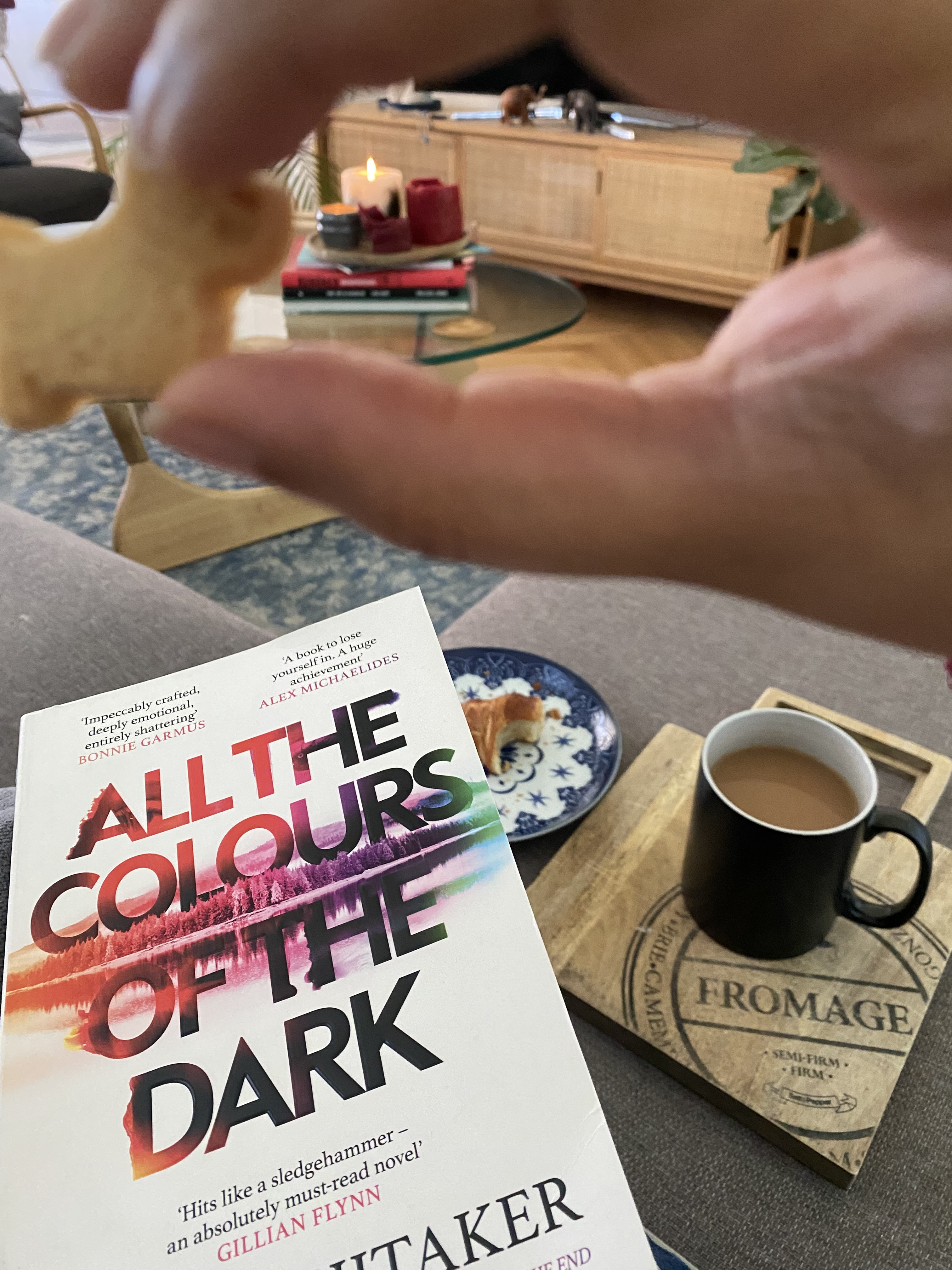
  • All the Colours of the Dark by Chris Whitaker 
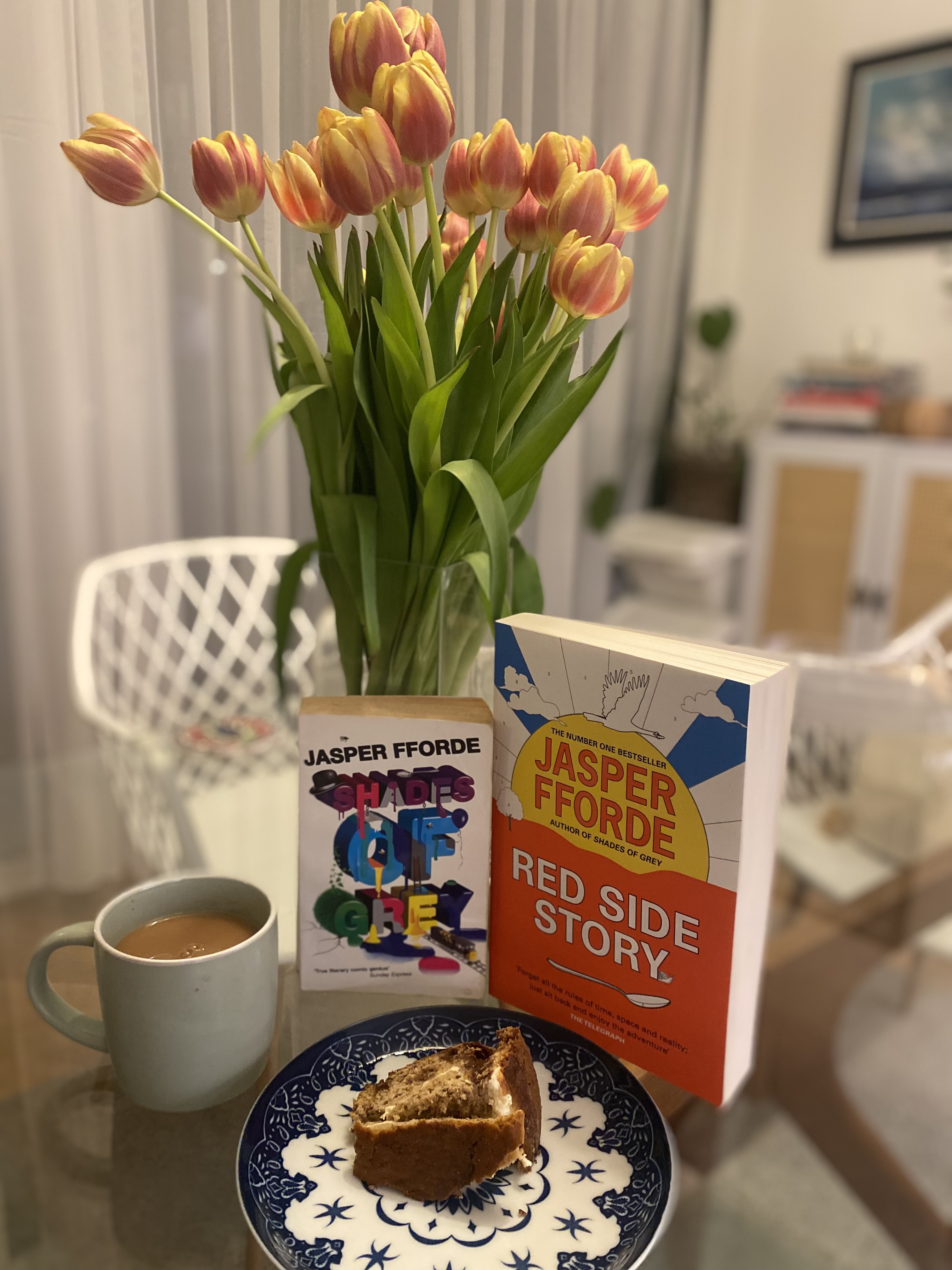
  • Shades of Grey & Red Side Story by Jasper Fforde 
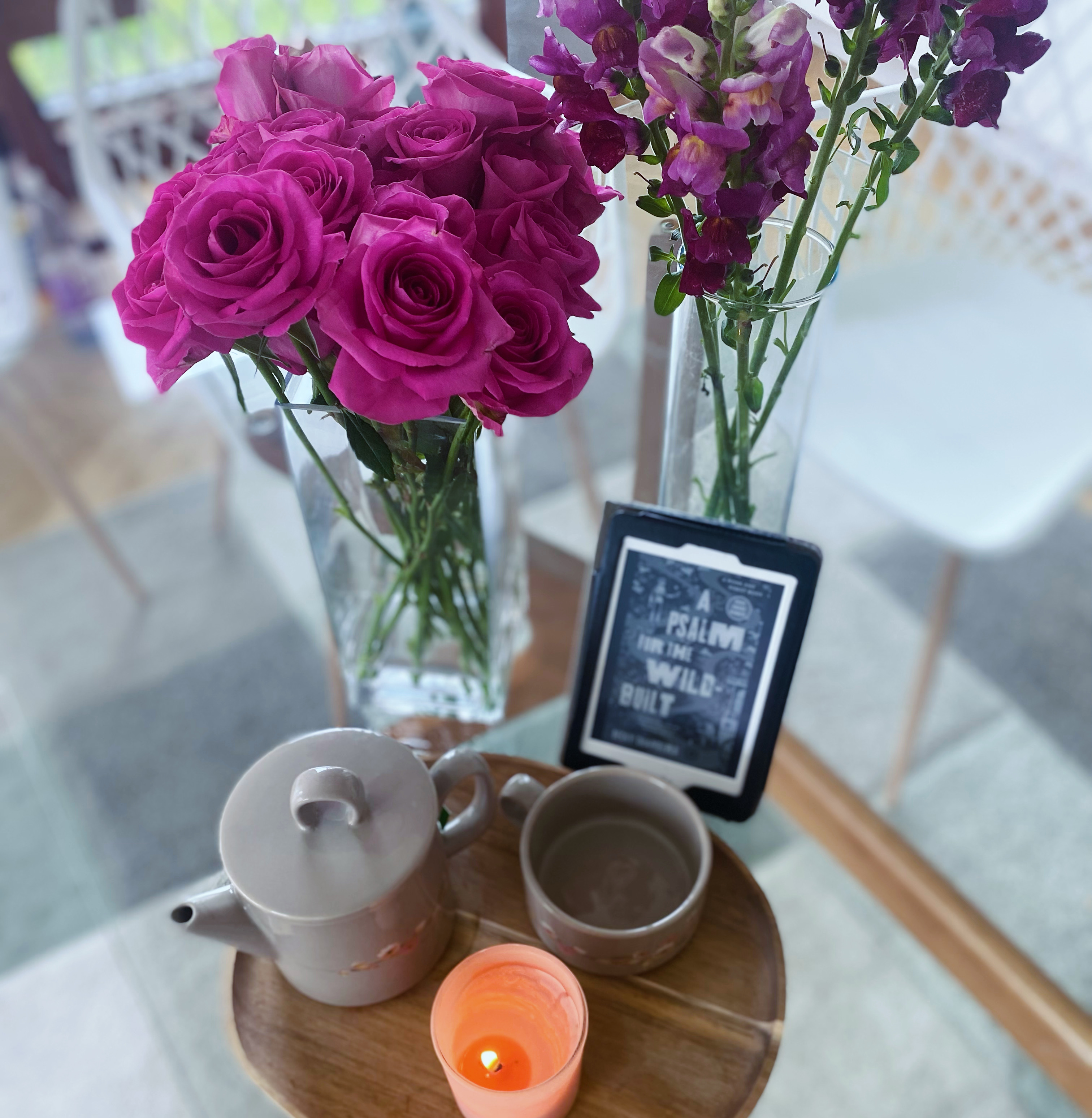
  • A Psalm for the Wild Built by Becky Chambers 

Top Fiction

FYI all review text and imagery lifted from my bookstagram https://www.instagram.com/nashuagallagher/

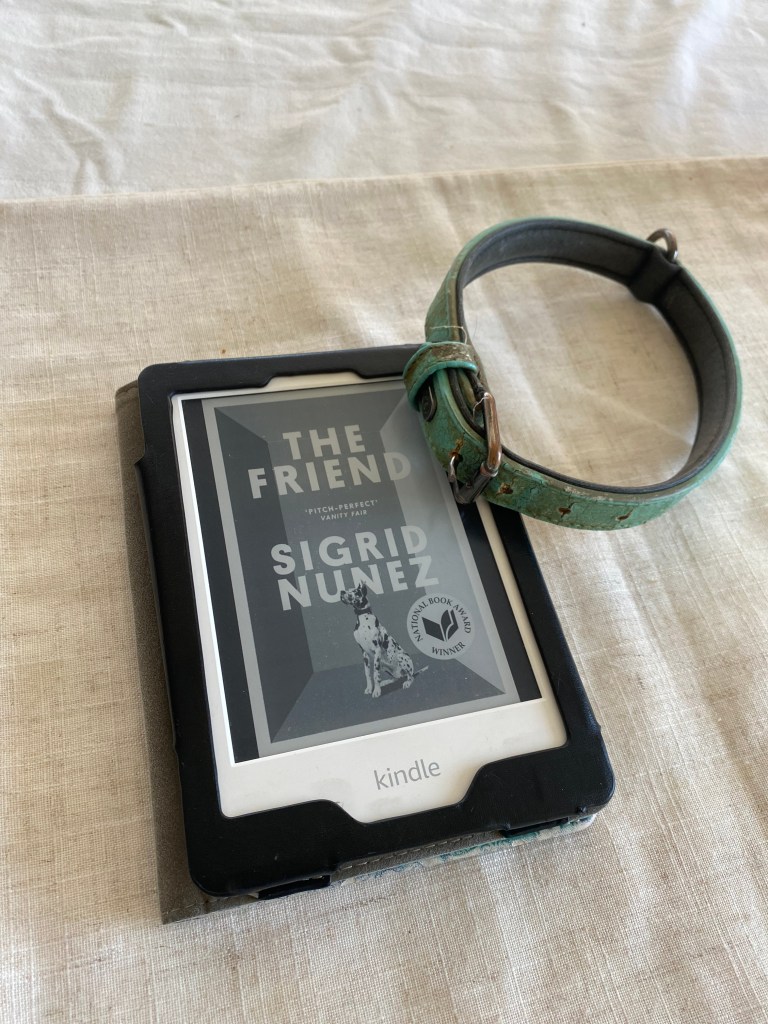
10. The Friend by Sigrid Nunez | β˜…β˜…β˜…β˜…β˜†

Self-inflicted torture to read this in the week I knew we would be bidding our family dog farewell. Nunez writes about and around animals so beautifully (as seen in The Vulnerables). Of the human animal, she writes with emotional resonance – characters are complex, accessible, with a whiff of satire. This book swirls companionship into grief, and the many shades it leaves one to paint with.

9. We Have Always Lived in the Castle by Shirley Jackson | β˜…β˜…β˜…β˜…β˜†

So it turns out I never reviewed this one – it’s a charming, acerbic tale of two sisters with a dollop of noir. This book is short, strange with Tim Burtonesque delight. It is unapologetic escapism and leaves a late-summer blackberry stain sort of impression that takes me back to every sweet and spiky odditiy of this read as I write this at the end of December. It’s a tidy little cult classic, I understand why it is loved for its bizarre and ferocious homage to sisterly fealty.

8. A Visit from the Goon Squad by Jennifer Egan | β˜…β˜…β˜…β˜…β˜†

has been on my list since I read The Candy House. Both books sit apart for their immersive POVs, at times wildly creative and fabulously effective (AVFTGS has a whole chapter written in the style of a powerpoint presentation.) Fast-paced and for all its bells and whistles it really cuts to the bone of human experience – its insecurity, miseries and joys.

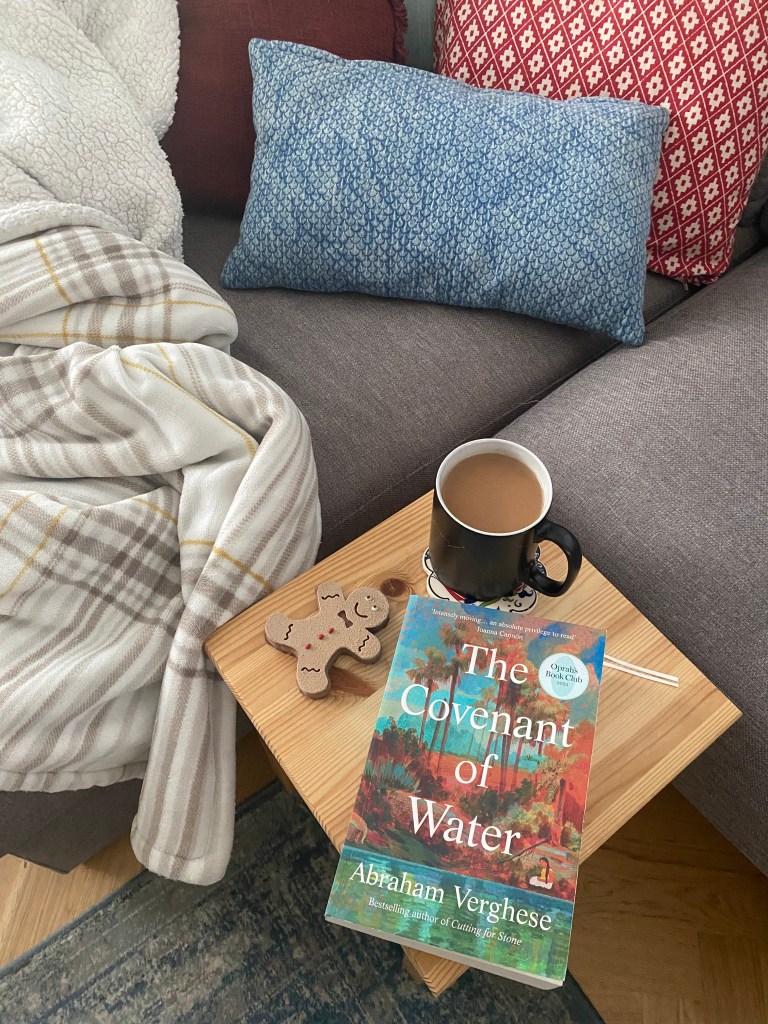
7. The Covenant of Water By Abraham Verghese | β˜…β˜…β˜…β˜…β˜†

Connected by water, or selective aversion for it, this novel is a sprawling multigenerational tale of a family from the St Thomas Christian community in South India. Intersecting colonial India with post-independence India. The plot is predominantly centred on the life of matriarch, big Ammachi, opening with her at age twelve, and about to get married. As a South Asian, I found this book familiar and deeply satisfying for its setting in a time and place that few fictional accounts have taken me to. This is a fascinating part of history, from the lens of colonialism, modernisation, politics, women’s rights and medical theory and advancement. The 700 plus pages flew by, they were unexpected, and although tinged with tragedy, ultimately warming.

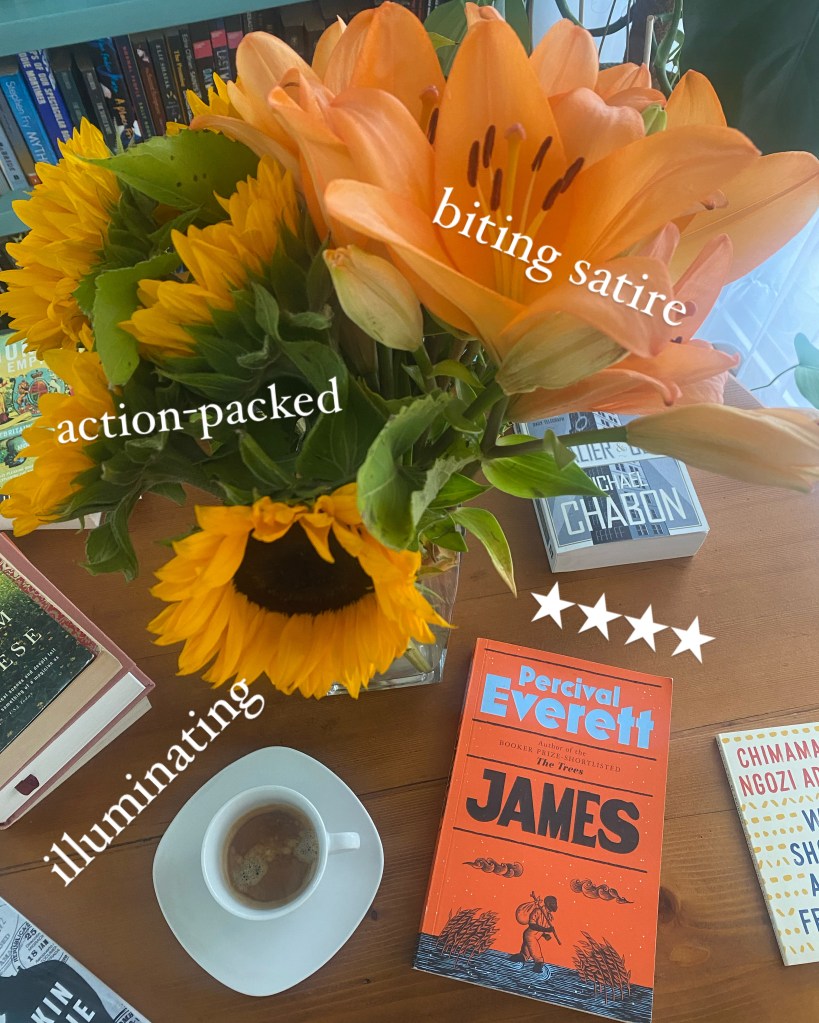
6. James by Percival Everett | β˜…β˜…β˜…β˜…β˜†

All I knew going into this novel is that it’s a reimagining of Tom Sawyer from the perspective of Jim, Huckleberry Finn’s enslaved sidekick. I did not know how much concurrency to expect with the original and just like with Barbara Kingsglover’s Demon Copperhead, it doesn’t actually matter as this book stands by itself. What I got the most from it was the contextual visibility of a white child and an enslaved person just before the American civil war broke out. It changes the tone of the novel from childlike fancy and adventure to one of escape and urgency. A riveting, satirical, powerful journey that takes James from sidekick to the stuff of legend.

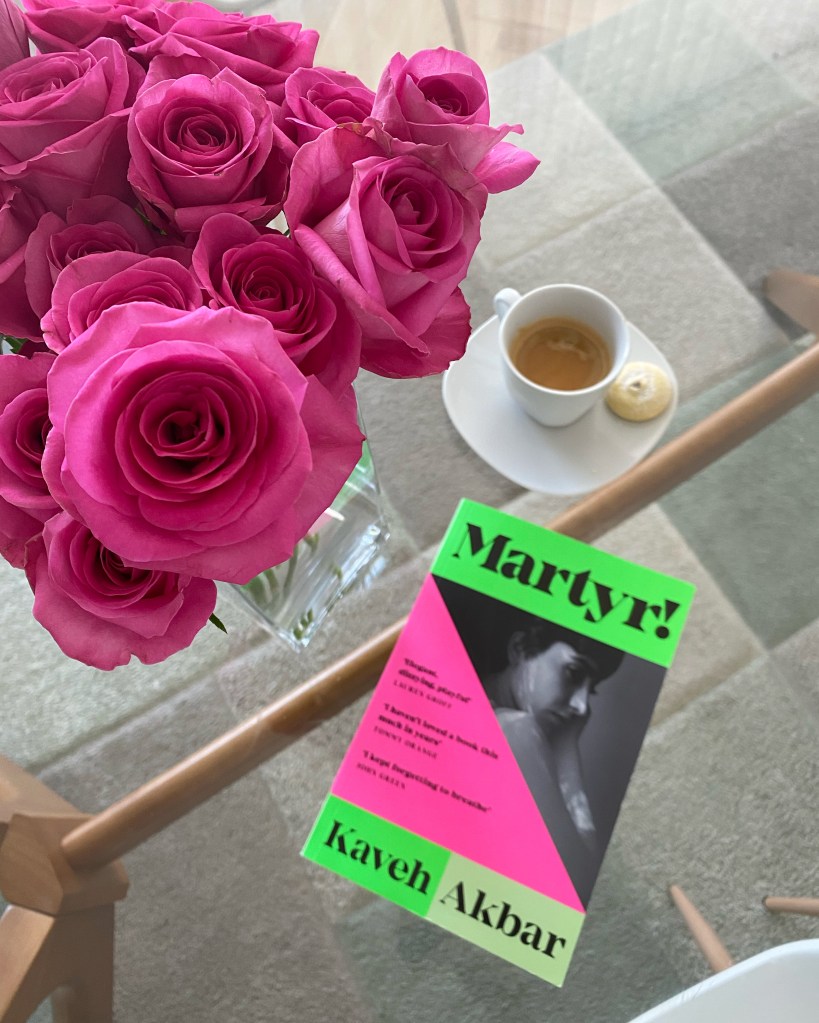
5. Martyr by Kaveh Akbar | β˜…β˜…β˜…β˜…β˜…

Addiction, art, identity, immigration – guttural in its poetry, and stayed with me for weeks after reading it. Immersive, devastating, crude and rich turning me into a blubber of adjectives that I hope scream – read this book. The plot has a gentle undercurrent with excellent payoff which poetically-inclined books don’t often achieve. This one did, and was definitely one of my favourite reads this year. 

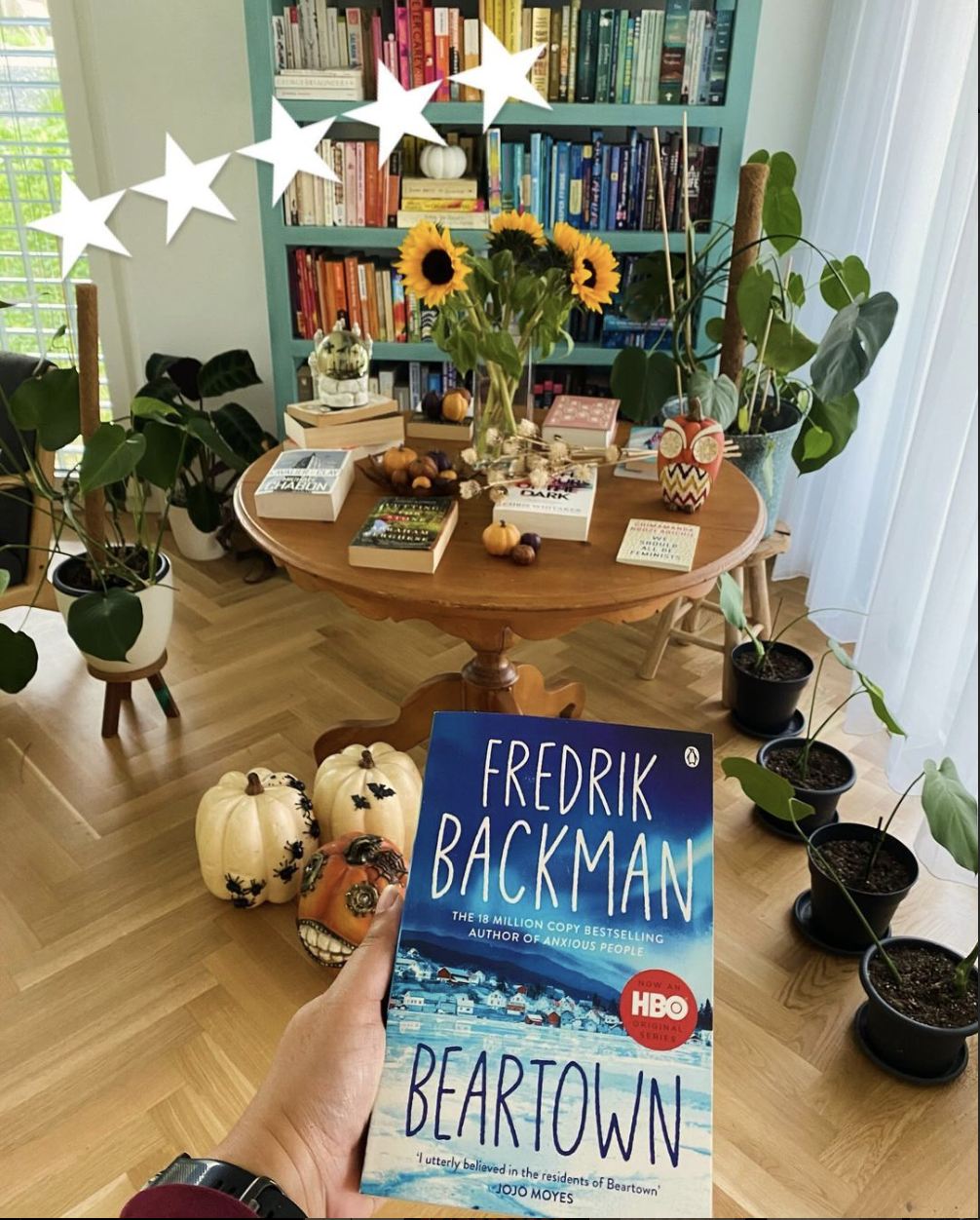
4. Beartown by Frederik Backman | β˜…β˜…β˜…β˜…β˜…

I don’t know what I expected of Beartown, but not for this unassuming book to have me by both heart and throat. It’s essentially a small-town hockey story that goes terribly wrong when a violent act exposes the precarious foundations of the town. The first half of the book foreshadows this act, going into detailed backstories of so many of the residents of Beartown. As a reader, I was hooked, suspecting everyone guilty until proven innocent. Perhaps this is a stronger statement to a more nuanced truth about the complicity around rape culture. This book asks us to consider if dignity and justice are ever conditional. It is careful to not preach, or create a good vs evil narrative. Instead it paints the characters as they are – nobody is condemned or absolved from the author’s pen. It is a part of a trilogy which I am sure to devour, but this book already stands apart. It evokes empathy and gently points out the ills of societal messaging when a town’s pride is rooted in a specific monoculture. One of my most highlighted and annotated books, and will be one of the most recommended of the year. 

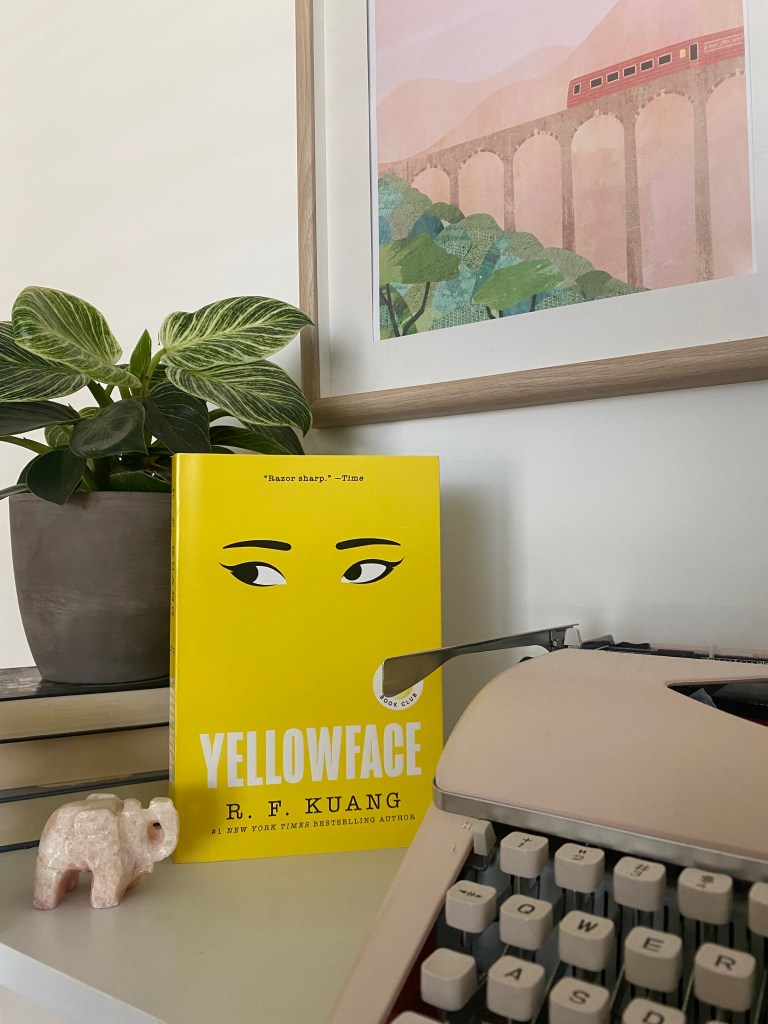
3. Yellowface by R.F Kuangβ”‚β˜…β˜…β˜…β˜…β˜†

I have experienced Rebecca Kuang’s casual gore, torture scenes, plot knife-twists and pacing mastery in both the Poppy War triology and Babel. None were as painful as the mental papercuts of her merciless cursor’s satire in Yellowface. The novel revolves around a stolen diasporic manuscript from a recently deceased Chinese-American author, passed off as the white protagonist’s own work. The first person narrative had at times, fingernails on chalkboard appeal. The acerbic jealousy, self delusion and casual othering was masterfully discomfiting. (Much of this was self-inflicted, as I inhaled this book in a couple of sittings.) Perhaps one of the most insidious parts of this novel was the casual complicity of supporting characters, particularly in the publishing industry. This was a withering and necessary takedown of baseline (…uh basic) attitudes which uphold a rather wet, saggy status quo. Kuang’s voice and writing has been a welcome addition to mainstream reading, not because it’s β€˜diverse’ but because these are damned good stories, and ones I want to read. 

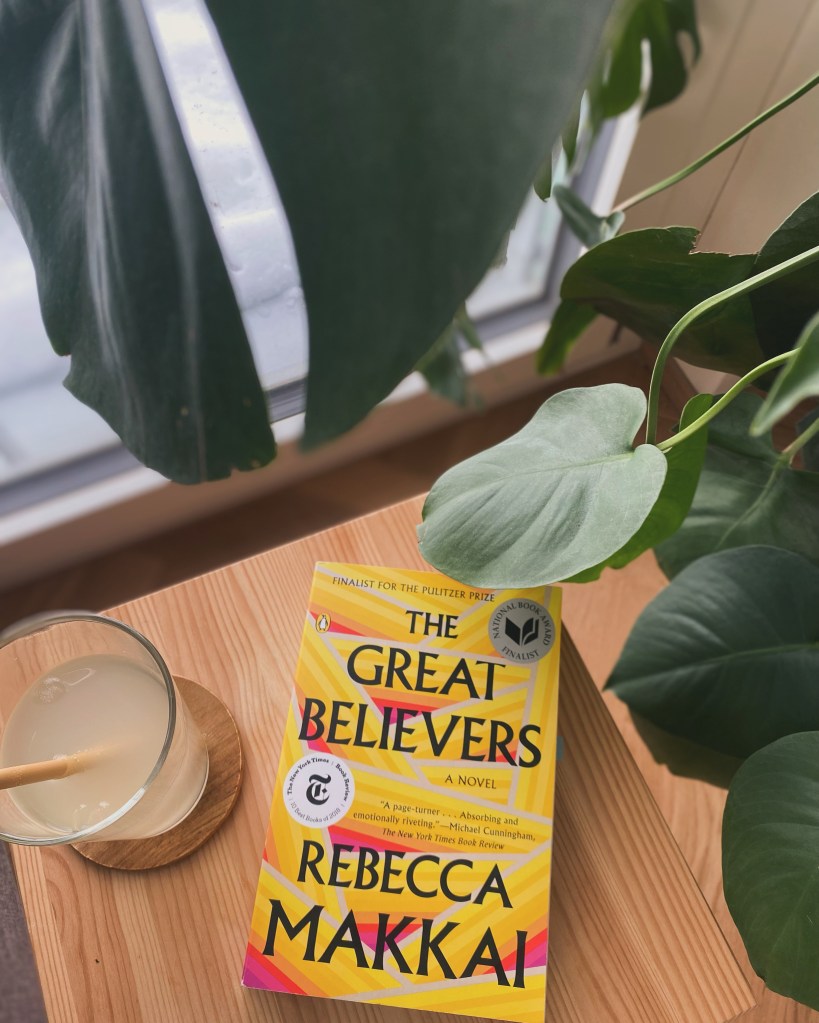
2. The Great Believers by Rebecca Makkai | β˜…β˜…β˜…β˜…β˜…

Set in Chicago in the 80s, in the midst of the AIDS crisis, this book follows a group of friends’ whose interconnected narratives pulse through the decades. Reading this is taking a sharp turn past poignant into devastating.The story is handled with delicacy and care yet pointed in its illumination of societal stigma and neglect. This book really made me consider what a privilege it is to be allowed to grow old. That marginalisation leads to inhumanity. It made me reflect on the ways we still see this played out in the world today. Required reading.

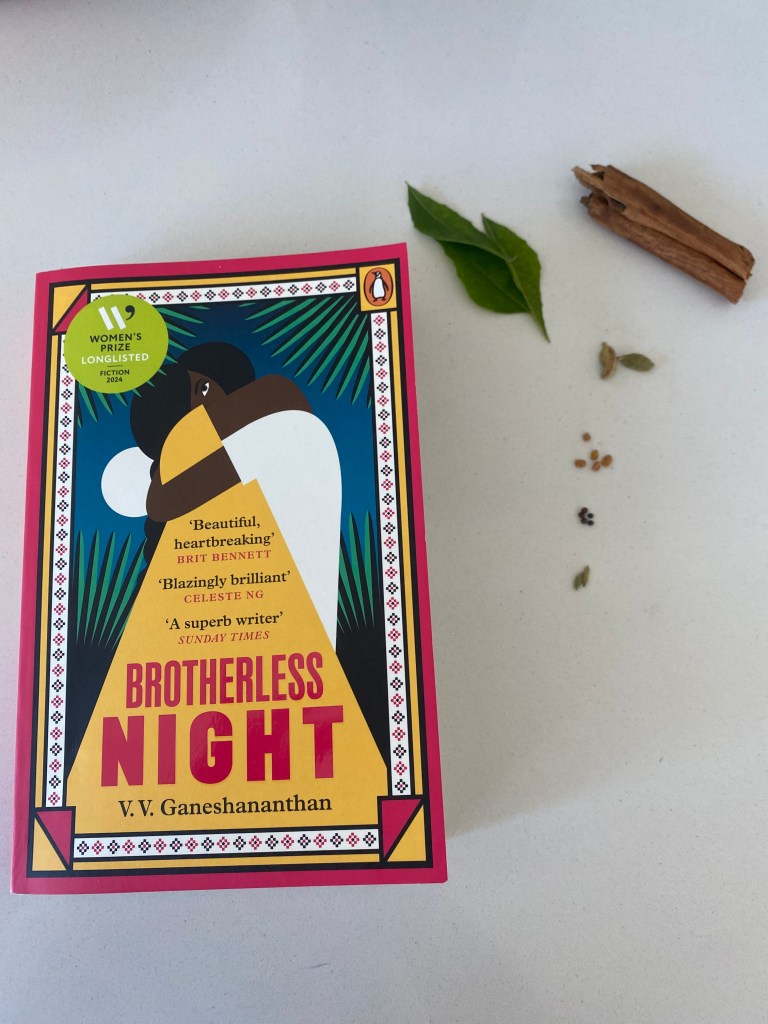
1. Brotherless Night by V.V. Ganeshananthan | β˜…β˜…β˜…β˜…β˜…

When so much of your country’s history is steeped in colonial legacy, then immediately fraught with political violence and civil war around the time of your birth, many adults don’t take the time to explain any of it beyond – good, bad, right, wrong. I have been chasing the nuance of Sri Lanka’s history for most of my adult life and have read several excellent novels that have helped me piece it together. I consider this one required reading. This is the story of Sashi and her brothers but for me it was a lens into societal pressure-cooker before the war. The sins of discrimination and cultural erasure staining earth red for generations to come. Read it in the present global context, read it in the past context. Just read it, and then talk to me about it for hours please. Pictured with some whole spices often used in Sri Lankan cooking, my most prized heirlooms.

Top non-Fiction
Shape Up by Ryan Singer | β˜…β˜…β˜…β˜…β˜† For a cross-functional organisational set up, it had some good things to say about how we might tame our information flows, decide what the right level of fidelity and abstraction is, and all in all setting up boundaries that enables teams and their work. A useful, practical (and short!) read on process, learnings and action even if the operational model is not something you embrace, there is still value to take from it.

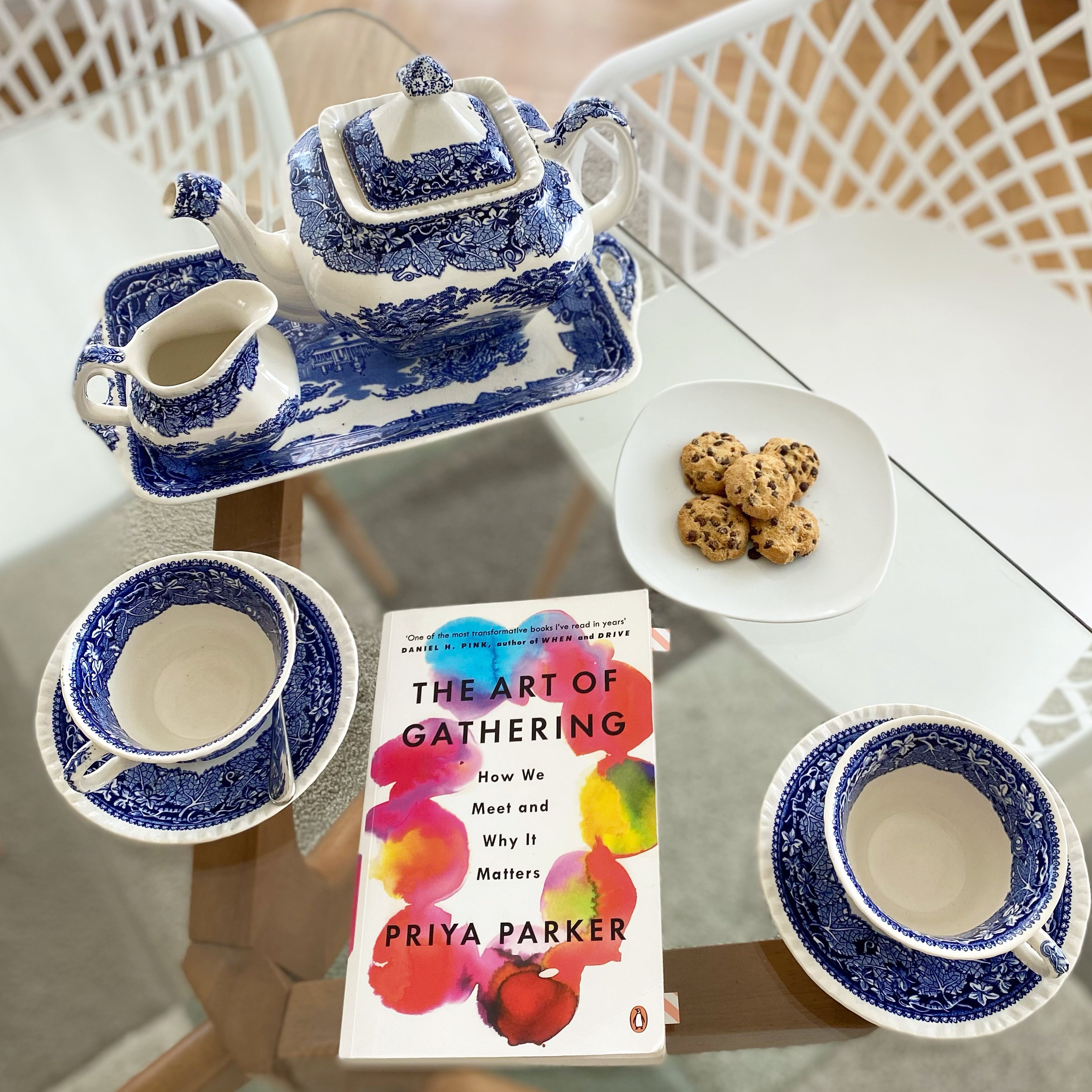
The Art of Gathering by Priya Parker | β˜…β˜…β˜…β˜…β˜†
Was gifted to me by a dear friend who likely knew that the lessons in this book transcend dinner parties, and will benefit your next workshop, meeting or planning committee. It gives one practical ways to really determine and activate the purpose behind any sort of gathering, and the tools, suggestions, etiquette and observations to achieve this. I loved it and felt everyone could get something out of this book.

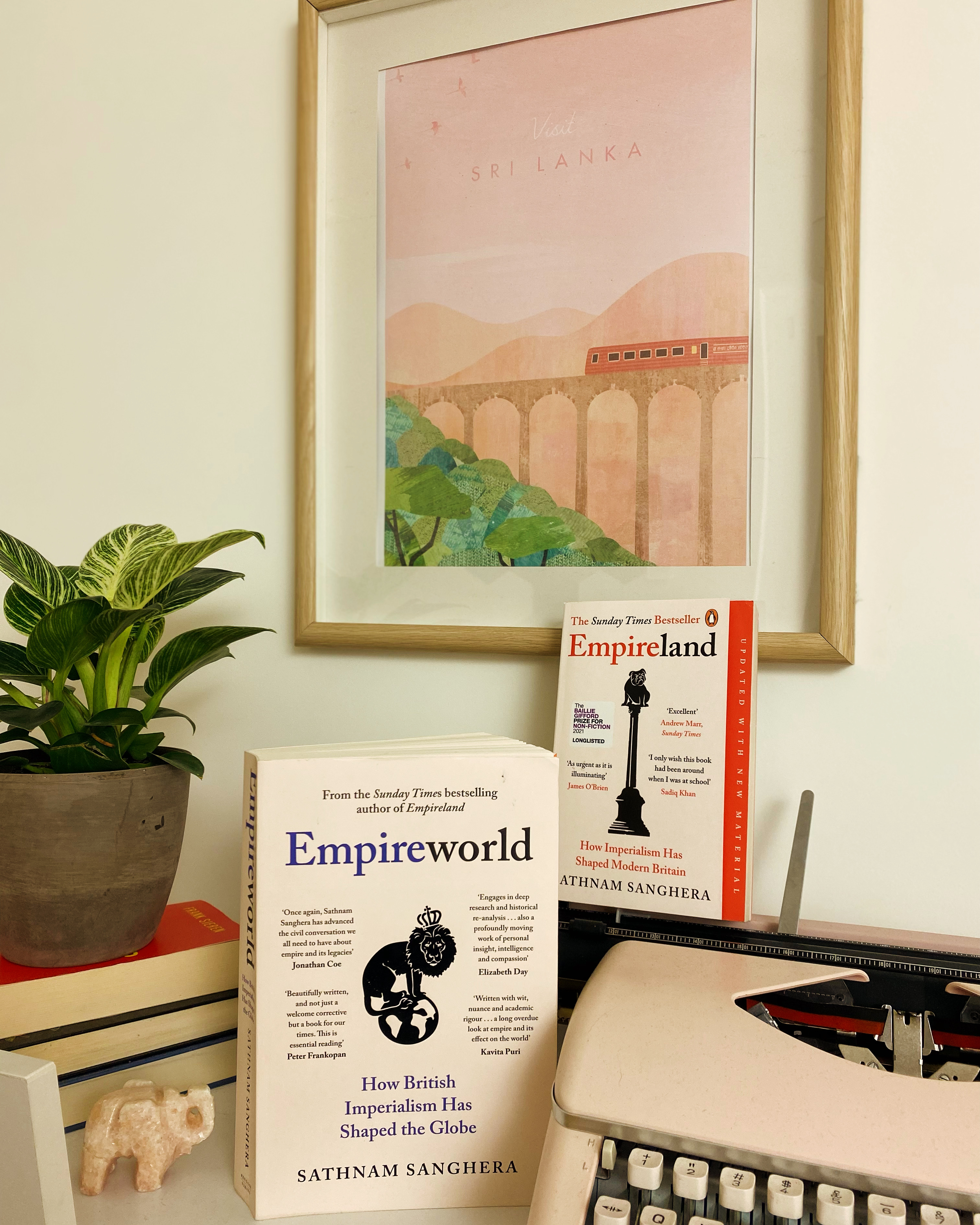
Empireworld by Sathnam Sangheraβ”‚β˜…β˜…β˜…β˜…β˜… The follow up to the context-making Empireland which distils how empire and colonialism shaped modern British identity, and de-anonymised much of the shared history with its former colonies. Raised in an ex-colony at times inexplicably felt like growing up in somebody else’s holiday home, and Empireland connected the dots to why this might have been the case. This new book is a proverbial β€˜hold my beer’ to this sentiment. It extends Empireland’s premise to the impact the British empire had on the rest of the world. Parts of this were familiar but surprising for its scale and concurrency across the period. For instance the mass import of tea and plants and its impact on the natural world, commerce and capitalism. Or the echoes of governmental and judicial frameworks, some of which I experienced myself as a Hong Konger, and a planted legacy of attitudes of everything from LGBTQI to indentured labour. Some might be annoyed at the bibliography and index taking roughly a third of this book, but there is so little in contemporary discourse about this topic that I appreciate the reading list. Having adopted a nomadic sort of existence with a weak passport is a baffling, sometimes frustrating existence – so much of my on-paper modern identity was conceived by forces before my time. In a tendency supported by my inching towards middle age, my writing has taken on this flavour more often these days. Sanghera’s section on the Commonwealth was unexpectedly touching, sharing a vision on its modern-day purpose that I won’t spoil, but makes a lot of sense in the context of the book. For the criticism I expect to pour in, it’s absurd to expect impartiality given past atrocities and the global structural inequality it has led to. This book does not, nor should it administer an itemised verdict of the ills or virtues of empire. In my reading anyway, it provided an understanding of history from the perspective of not just the victor. 

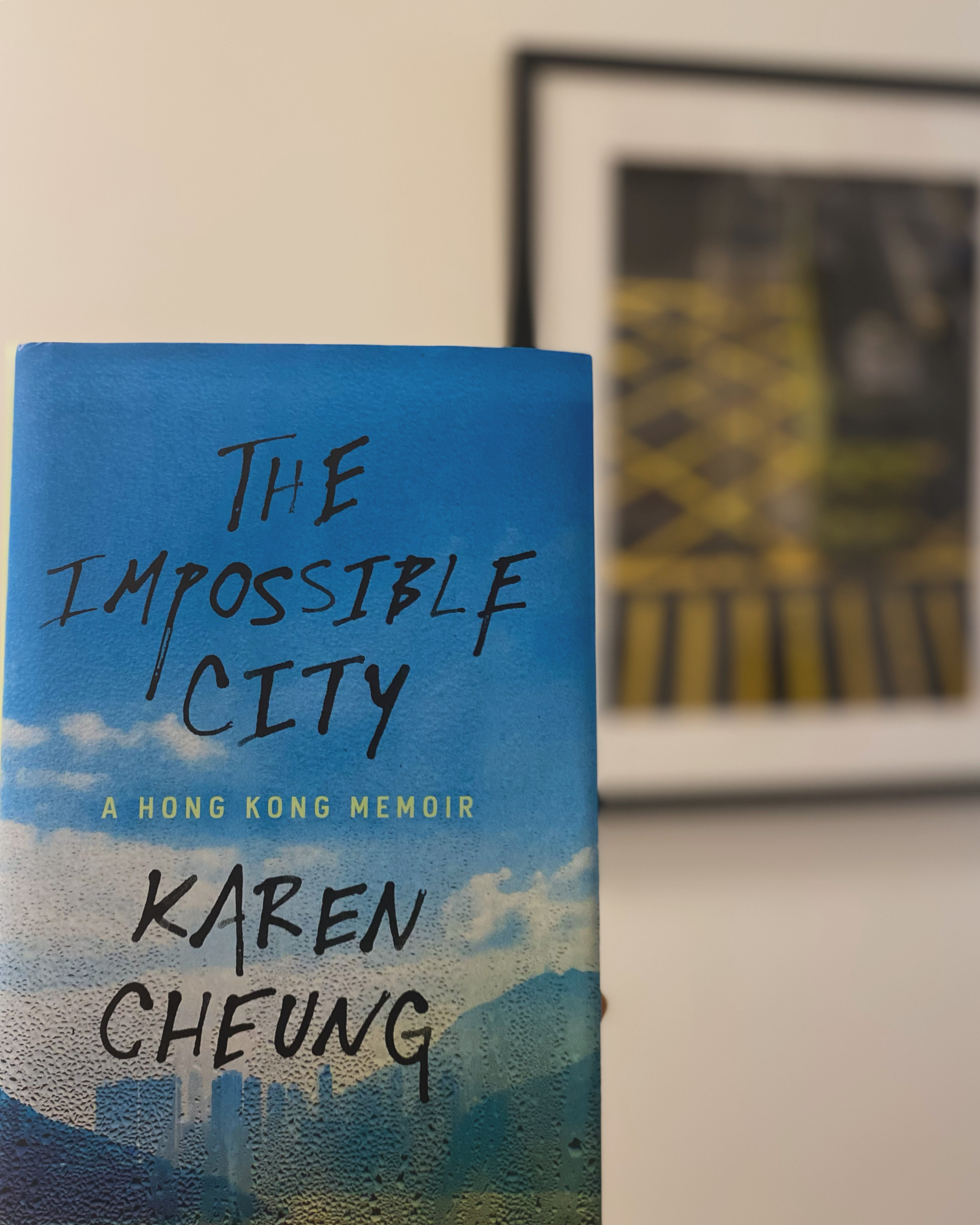
Impossible City: A Hong Kong Memoir by Karen Cheung | β˜…β˜…β˜…β˜…β˜…
Few things have captured the mood of the city, twinned in hope and despair during β€˜the revolution of our times’ in Hong Kong in 2019 as well as this book. Although this phrase was widely used in 2019, the Umbrella Movement in 2014 is where this character of Hong Kong bubbled up like a pressure cooker hiss and left a permanent impression on me and many of us who grew up in Hong Kong. I did something I rarely do when I read a book, especially by someone I know. I reached out before I was even halfway through to tell her how much I was enjoying it. The sharp pen of an editor, the soft commas of a poet, drawing a lattice in which inequality, mental health and politics described the Hong Kong I knew. There are a myriad of ways to be a part of this city, and many uncomfortable truths that come with this. Reading this book was like discovering a bag of letters chronicling a volatile, passionate and enduring sort of love. Karen’s account of the handover in 1997 (which I remember as a nine year old) and the social, familial and structural nuances of the nineties and early 2000s gives sorely missed context from articles that often offer reductive narratives on property prices and identity politics, written for readers on the outside looking in. There were many parts I could relate to, and many I was grateful, at times chastened to get a glimpse of. I couldn’t stop writing as I read this book, and am in awe of Karen’s vulnerability, self reflection and thoroughness as an author. A necessary and valuable addition to our understanding of the city, and its history. 

Honourable Mentions
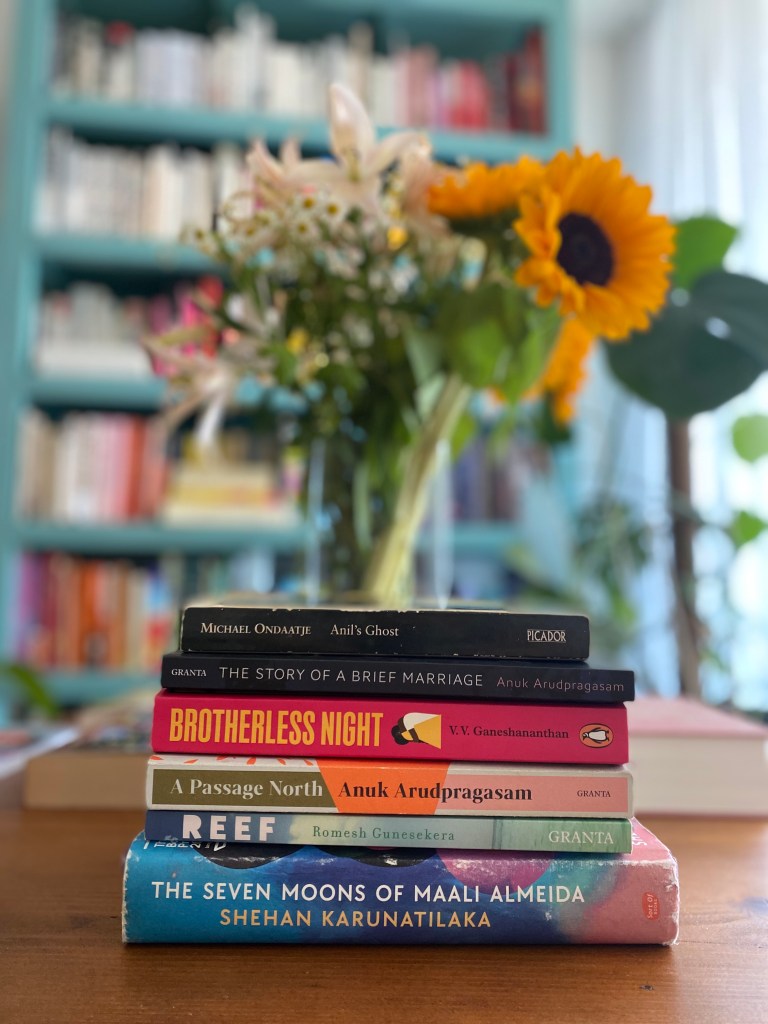
Reading Sri Lanka

This reading list has taken me years to compile – as I write in the post [These books] are moving as they are challenging – the craft, depth, nuance and heart kept me engaged, furious, haunted and above all grateful to all of these authors for giving me back missing parts of myself.

You can read the full review here.
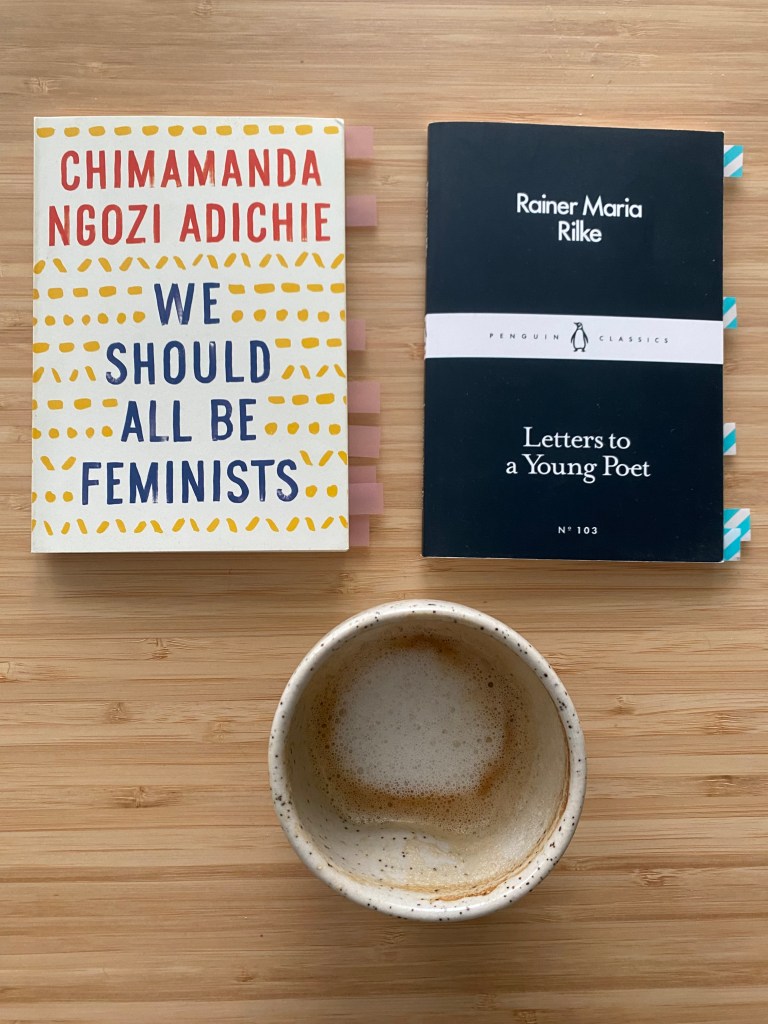
Tooth-aching levels of wisdown. I don’t need to say anything more as these small but mighty tomes speak for themselves. Wisdom and philosophy, we all really ought to make more time for it in our lives…

Books to escape reality with…

If one craves a touch of escapism, these these titles will help your mind prolong its visit somewhere cosy or exciting
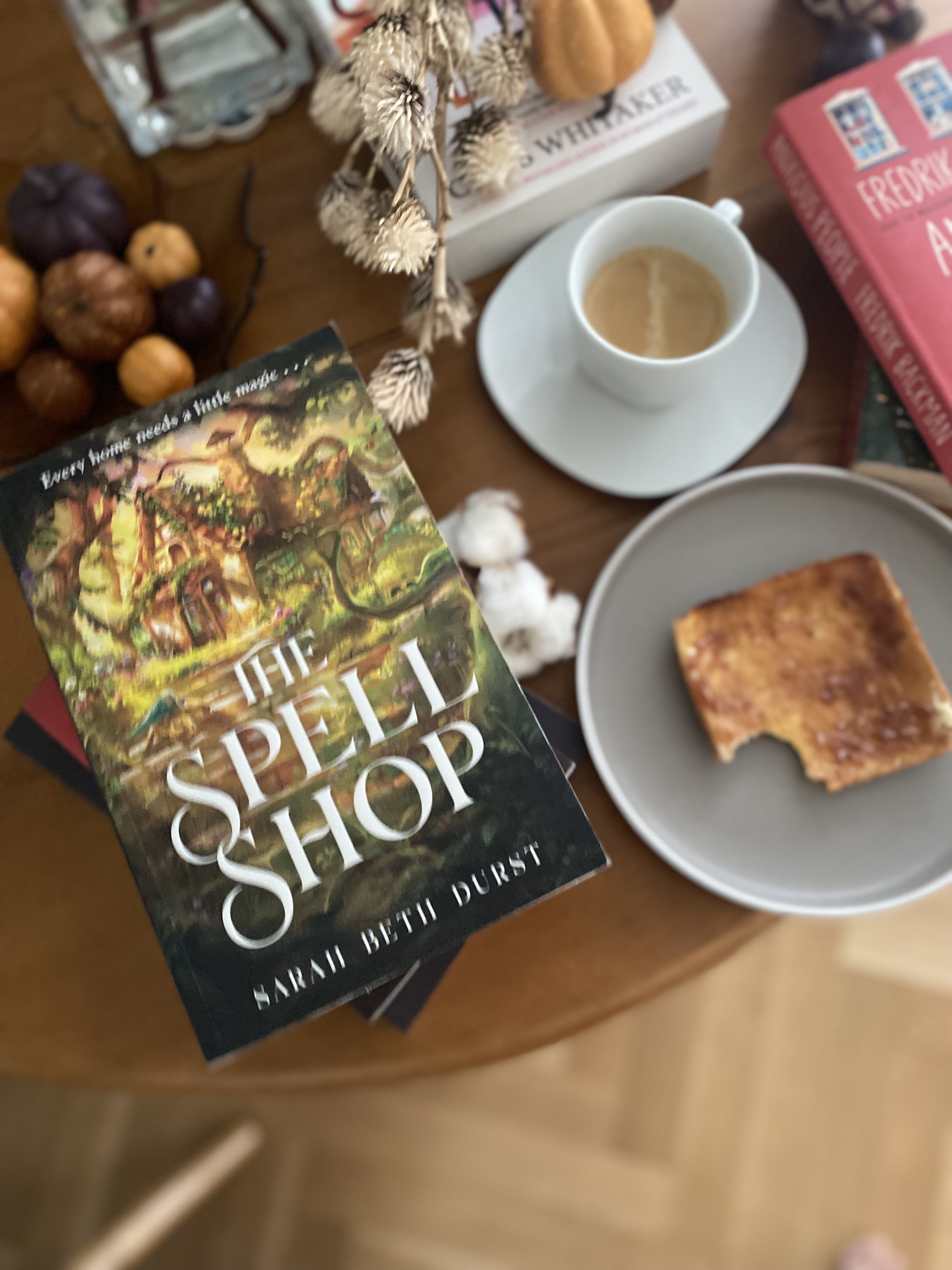
  • The Spell Shop by Sarah Beth Durst Cosy, cottage-core, fairytale-leaning fantasy. Side-kick is a talking spider-plant.
  • Margo’s got Money Troubles by Rufi Thorpe Young protagonist has a baby by her college professor, turns to OnlyFans to pay the bills, and rebuilds a relationship with her estranged father, an ex-wrestling champion who ends up being an asset when it comes to storytelling in her new vocation.
  • All Souls Trilogy by Deborah Harkness The only 5* read that didn’t make my best read this year. Why? A Discovery of Witches was brilliant, immersive, fun and Twilight for adults. The subsequent books did not appeal to me in the same way but is great escapism all the same.
  • Age of Vice by Deepti Kapoor Three interconnected stories in a fast-paced, at times harrowing novel about ambition, crony capitalism, political gangsters and the coming of age of modern India.
  • All the Colours of the Dark by Chris Whitaker Deeply immersive serial killer crime novel. Excellent writing.
  • Shades of Grey & Red Side Story by Jasper Fforde as alt reality novels go – what the hell did I just read? Terribly distracting and funny, and worth the 14 year wait between novels.
  • A Psalm for the Wild Built by Becky Chambers if this is for you, you will love it, if not – dealer’s choice. I found it gentle, wise, glorious. The ultimate comfort read. It’s short, unpretentious – asks big questions but untangles any mental load from it.
On Reading Poetry

Mild panic. This is what I am often met with when I mention to other grown adults that I am a poet. That I still write the stuff, with a poetry collection to my name, and another on its way. This reaction is understandable considering the typical experience people have of annotating the odious stuff at school, or trying their hand at it on the heels of heartbreak or adolescent angst. Besides, who even reads poetry these days?

As the saying goes, 'one man's garbage is another man's treasure', or my slight preference for the German version 'Des einen Freud ist des anderen Leid' (one man's joy is another man's sorrow). Reading poetry is arguably a challenging sort of reading. It demands non-passive readers. There is no light-touch skim, or a way to bullshit through (a little unfair because readers of poetry more than prose,  are likely to encounter an occasional whiff of the unsavory stuff.) This is not because the quality of poetry is measured by the use of archaic language or love poems, but because poetry is subjective to a fault. It has all the reputation of baking - with none of the mass appeal. There is an assumption of precision and craft, which is true enough - but poetry is also a living art form and thrives on serendipity and improvisation. Whether it's formulated like a fiddly, multi-step Croquembouche or treated like hastily microwaved leftovers, when delivered at the right place and time, poetry can strike like memory, sound like a song, stop time like a warning.

TLDR #1 Poetry is highly subjective to both reader and writer. Whilst it has a reputation for being a fairly prescriptive and fiddly written form, poets today might both adhere to this and ignore it in equal measure, a fact that annoyingly, has little to no bearing on the reader's actual enjoyment of the final piece
There are verses and poets that are, of course, beloved and well-known. Shared in graduation cards ('two roads diverged in a yellow wood' or 'if you can dream but not make dreams your master...'), in funeral invitations ('do not stand at my grave and weep'), read out at weddings (tread softly, for you tread on my dreams or 'Let me not to the marriage of true minds'). There is nothing wrong with this being the chief expectation of what poetry is, but it does not fully deliver one of the best things about poetry - when it stuns with the ordinary, when the temperate flies close to the sublime. When it makes you feel some type of way, or it's just very prettily arranged - words that don't pull any punches, serving insight or deliverance. As a reader and writer of poetry, I am curious about how others perceive both the minutiae and grand gestures of life. What writers choose to remember, and how they want to talk about it. This is probably why poetry in its traditional form is a reliable wing-man to add a touch of flair to what is somber or dignified. It also makes sense to me as a form of expression to turn to when the full gravitas of adult experience floods the adolescent mind. There is wisdom in how young people act - and poetry lends itself to taking something overwhelming and breaking it down to a true form, to let it steep for a while.

TLDR#2 Poetry is often used as a condiment to life events, but I argue that it is just as impactful as a lens to explore the every day, whether as a youthful attempt to triage a sudden burst of life experience, or for seasoned writers a way to curate and preserve - a way to note what is worth remembering
What about modern poetry? There must be something between Billy da Poet and William Shakespeare, surely? Poetry collections can be found often on a single shelf in a (bigger) bookshop, with persuers in the single digits. I suspect it's because the section is seen as intimidating (bad) or thought of as irrelevant (worse.) Not helping matters is the fact that poetry in its contemporary form can be rather cavalier and unreliable. A form of storytelling that is perceived to lose its plot before it gets to the end.  I suspect the liberal use of narrative deception is to blame, or poetic license recklessly issued on the assumption that the average person does not venture down these roads. (Which is frankly true.) Trust a poet to organise a party they never turn up to. Or to have conversations more filling than the meal that occasioned it. Philisophise with psychotic abandon inside pages then appear shocked that anyone noticed. There are things we want to say, but often may peel off on a side-issue, because we are not sure if we are saying this to ourselves or want to remember a certain thing a certain way. There are sideroads and alleys and pitstops and highways, and  many of us expect you to bring your own damn sleeping bag and dictionary if you are to visit. 

TLDR#3 In which I seem to suggest modern poets being charmingly flighty, borderline distracted, and not all that literal does not help much with the PR problem of our genre (but I will always speak of this as a feature, not a bug)
Then there are questions of if the poet  writing to be read, and if so, on page or out loud? Are they writing to remember, and don't mind if it's being read, but please don't let anyone ask them about it. Or are they writing the thing that must be said, to connect with an anonymous many or to leave someone behind. I believe the motive of the poet is no easier to glean than in prose but leaves a marked effect on how the work is received. Makes sense right? There are less lines in which to bury a lead. This is not a bad thing.  I once saw a review of my book which mentioned a poem which I tried to tell myself was a filler poem (let's be real, there are no filler poems). It was a poem I liked but didn't necessary expect for it to resonate with anyone else, the fact that it did delighted me. It taught me that it felt the most 'right' to focus on the overall narrative of the collection, and to let the reader find what they need to. With poetry the fourth wall may as well be a veil. You might just about see the glint of a ballpoint in your peripheral vision the further you get into a collection.
TLDR#4 Poetic motive matters to the overall work, and although this may not be wholly obvious, the poet themselves are much more perceptible in their work than in prose. Poets may choose what and how to write about something, but it's up to readers to uncover what is there to find. 
I recently ordered a bounty of recent work by other fellow Hong Kong poets. Reading these have made me feel incredibly fortunate to be a member of this community. Hindsight is always 20/20, but through absense and distance, I can appreciate what an extraordinary gift it was to cut my teeth as a writer surrounded by these folk. Although I met many of them and got to know their work in an open-mic setting, the range in work - stylistic, narrative, perspective,  was as diverse as the poets themselves. What people choose to write about, and how they talk about it is something I find fascinating by default, whether I know them or not. This is why I struggle to 'rate' poetry. As with anything I read, I enjoy reviewing poetry, but find rating a collection almost impossible. At best, it's like being asked to rate several books in a series, for work that is so deeply subjective - and endearingly random in what might move a person, it seems like an odd thing to do. A single poem in a collection might stay with me well after I first encountered it, rendering the whole book a 5-star read. A book can be an atmospheric delight, without a single poem striking me on a personal level and still be a 5-star read for its transportive prowess. Then there are books that are a slow build, or leave you with something unexpected at the end. A book of poetry is not to be judged, not really. It's a privilege to visit with people's interpretative living for awhile. In short there is far too much to recommend itself, or factor in a collection of poetry to sincerely abide to a star-rating. I am much clearer on what constitutes a 3-star novel than a 3-star poetry collection. 

TLDR#5 It challenging to 'rate' poetry vs prose. With poetry, the sum of its parts can be greater than the whole, or a single poem can deliver a soul-tizzying solo. A book of poetry is not to be judged, not really. 'It's a privilege to visit with people's interpretative living for awhile.' (Bear in mind that a poet is writing this. I am fond of my bias here.)
Sometimes I finish a book of poetry with less information than I went in with, but a greater sense of the writer and a sense of what they think is beautiful or important. It may look like light work because 60 poems is technically digestible in one sitting, but I do not recommend it. Reading poetry is work, depending on how you want to approach it. In a way, it's like listening to an album for the first time. You may hone in on the lyrics and miss something in the music. It is a bit of a dance, between poet and reader - there is often much more than meets the eye after an initial read.  For me at least,  it sometimes requires multiple re-reads of individual poems or even the entire collection. Though it appears there is less to sift through in terms of pages, don't underestimate the times a poem gives you pause, or asks something of you.

TLDR#6 Reading poetry is kind of like a choose-your-own-adventure. I have no idea where I will end up at the end of the book. Often times, I re-read poems or whole books to deepen my understanding. There is always more than an initial reading can offer. Do not judge a book's heft by the number of its pages.
If after all of this you are not deterred and you do decide to pick up a book of poetry, know that feeling lost is a part of the experience. There are some poets who are faithful writers - who oblige every footnote, give context, stick to the damn story. There are others that will take you somewhere but won't lead you down its ruins or high-streets. It can sometimes feel as intimate as reading a letter, resonate with life right now, or feel as though you are looking at blurry film photography of someone's childhood. 

TLDR#7 Expect to be a spectator when reading poetry. Sometimes you are at sea with too much cloud cover. Other times the course is charted and followed faithfully. There is merit in both ways of experiencing a book. (If you are lucky, this could even be the same book)
Why would anyone even read poetry? It requires a level of focus and attention asynchronous to modern life. As a poet myself I am often tempted by fiction I can casually lose myself in than the dizzying, sometimes confusing, walk by the water's edge  where somebody's barely legible subsconscious operates the tide. Still, what a marvellous companion to life,  to tap into our collective experience and proactively empathise with the business of living. If books are a way to experience a thousand lives, then poetry supplies the colour and sound effects. 

TLDR#8 Reading poetry requires mindfulness, and a bit of effort, and there are direct rewards to reap from this
It hardly merits the work or the reader to peruse poetry distractedly. Life is also like this. 
Read more poetry.

2023 Wrapped: Bug, Feature, Other

Image credits: Β©nextMedia.Hamburg | Laura MΓΌller

2023 was a dinosaur year, professionally speaking. Here are my parting thoughts to this year, and the things I am taking forward into the next one.

I summarise my experience (officially) working in digital product, talk about one of the key factors for success this year, share my learnings on AI, and end with a reflection on work/life balance when it feels like β€˜the juggle is real.’ If you choose to visit with these words for a while, I hope they are as useful to you, as this year has been to me. 

  1. Becoming a β€˜Product Bro’ 

My media career started in Digital Product – I just didn’t know it at the time. We called it β€˜interactive marketing’ in 2010 and I was part of a team developing mini games, mobile apps, dabbling in augmented reality for marketing activations, and creating a gamified digital content ecosystem. From there my career pivoted to subscriber acquisition marketing and the management of conversion journeys across the customer lifecycle.

Officially stepping back into this sphere this year was a full-circle moment, but it didn’t feel this way at the beginning. I suddenly felt green, wrong-footed which after thirteen years in this industry, was new.

In times of uncertainty, I tend to turn to good books and even better people. Here are my top nonfiction reads of the year:

  • Inspired by Marty Cagan
  • Empowered by Marty Cagan
  • Continuous Discovery Habits by Teresa Torres
  • Sprint by Jake Knapp and others
  • Competing Against Luck by Clayton M. Christensen
  • Immunity to Change by Robert Kegan and Lisa Laskow Lahey
  • The Diary of a CEO: The 33 Laws of Business and Life by Steven Bartlett

For the Writers in the room

  • A Room of One’s Own by Virgina Woolf
  • On Writing by Stephen King

( and for the readers in the room, check out my top fiction of the year here)

I spoke to a lot of kind folks in the product space, played with frameworks and watched and listened to a ton of content. Much of what I found out was both validating and relieving  because though the methodologies were new to me, the reasons for them were not, and have informed decisions throughout my career. There is no single golden rule, but I can more or less distil my first year of learning to the following:

  1. You cannot grow without your customer – growth is intrinsically linked to user behaviour 
  2. In order to influence user behaviour, you must first understand it, validate it, and build the bridge for your customers to behave in a way that achieves your ideal business outcomes
  3. A change in user behaviour will correspond to changes in your bottom line, do not plan for one without the other 
  4. So build a bunch, test a bunch, steer it towards what makes a better product for users, and help them become better users of your product

Easy, right? 

Writing this  is me slaying the imposter syndrome dragon that turned out to be a fly in a room I’ve sort of always been in. Opening that window and asking it to (politely) buzz off, was a nice milestone to hit.

  1. β€˜A Rising Tide Lifts Us All’ 

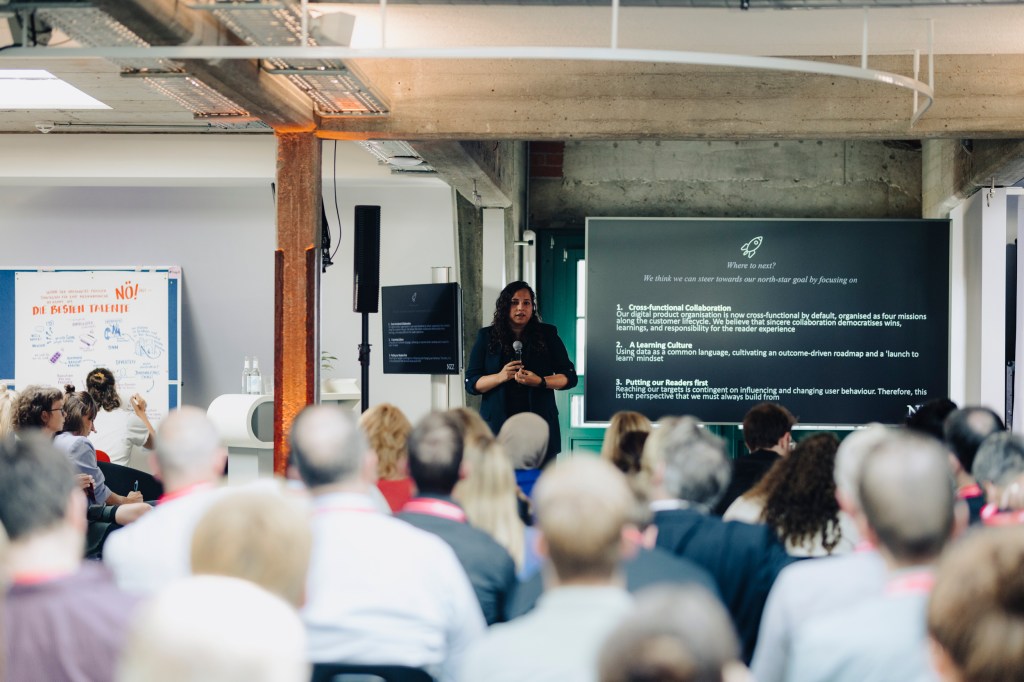
I am quoting Aliya Itzkowitz at Scoopcamp in Hamburg this year (quoting one of her team who in turn, the internet tells me is quoting John F. Kennedy)  This is one of my favourite things about this industry. Externally, this manifests in the readiness of so many industry colleagues to jump on a video call or grab a coffee and talk through a challenge or opportunity, and internally I have spoken at both Scoopcamp and INMA this year about how cross-functionality is a core factor for success. A cross-functional culture is the breeding ground for a learning culture which is a requirement for data centricity which in turn, and most importantly, gives us the best chance for putting our readers first (for why this is important, see 1.) 

  1. β€˜The Robots are Here’ …to stay

Ay, yay,yay AI…what a fascinating conversation starter (or ender) this was in 2023. My recommendation for anyone curious about this topic is to do two things. There are a host of free and paid courses from the likes of Google directly, or IBM, Coursera…and many more to help get a baseline understanding of the possibilities and standard definitions in this space. This went a long way in helping me organise my thoughts before acting on what is my second suggestion; spend some time with your friendly neighbourhood data scientist. Here are some of my takeaways from the year, thanks to many conversations, some that I shared at a recent FT Strategies workshop :

  • Organisationally, establish ongoing iterative processes to identify, validate, and coordinate AI use cases 
  •  AI projects can very quickly become a home renovation. Can you afford the time to build it? Think of resourcing, technical dependency  and organisational focus as key factors in your assessment. Similarly, when evaluating use cases, consider if this will be important in one year, and does this ultimately support your brand value proposition? If your customers won’t use it, don’t even think about it. (Again…see point 1) 
  • At this early stage, before major upgrades have happened to the services we know and use, start small, focus on what is helpful, and necessary right now and build from here.
  • When it comes to data models, remember ‘garbage in, garbage out.’ Watch out for data definitions and ever-changing regulatory considerations
  • Consider the impact of your own governance on build implications (eg, what does keeping a human in the loop mean for existing processes and technology?)

Here are also some of the ways I used ChatGPT this year

  • It helped me with my German. Especially when I had a question about why phrase X should be used instead of Y. I also used it to practise my German writing skills. 
  • It wrote all the clues to my family advent chocolate hunt (sorry kids) – and asked it to adapt them when the clues were too easy (not sorry kids)
  • It was able to quickly do basic maths from a data set eg. helping me work out everything from travel time, time differences, percentage changes year on year from multiple categories (yes excel can do this too but I had to do 0 formatting, and cell-fiddling) 
  • It was able to aggregate how much butter and sugar I needed to buy from a stack of holiday recipes…the answer to this I will take to my grave.  

What strikes me about this list is, (bearing in mind this is a sample size of one, and limited to my intuitiveness with the app), there were so many every-day use cases that had me reaching for it that really should make anyone in any consumer space sit up. It was helpful, intuitive and easy to use. Ignoring all the noise around generative AI, it’s this reason that I think the kinks will be worked out and regulation will find its feet because before long this level of ease and utility will become a consumer expectation. 

  1.  Boundaries vs Balance 

The poetry open-mic night I co-founded eighteen years ago in Hong Kong is still going strong. I am proud of this. I am also incredibly proud of my two teenagers, the first book I wrote, the poems I still write today, and the other hobbies and interests I have gained over the years. I like what I do for a living, spending time with people as much as I like to ignore them to spend time with books, and the interplay of all of these things in my life. 

My parenting made me a better poet, my poetry made me a better communicator at work.These are unalienable self-truths – I don’t make the rules, this is just how it panned out.

Over the years, colleagues and friends have asked me about balance, any habits or tricks to share about the optimal way to set up your life to maintain equilibrium. I am not sure what I said before, but sixteen years into this juggle this is what I know. It was never about balance. Balance denotes equality, and a rigid adherence to maintain it. It was also never about having it all, which incidentally you CAN have, just not at the same time. 

For me, at least, it really was about setting up boundaries vs balance. Balance could be an outcome of this, sure, but boundaries were promises I made to myself. Boundaries acknowledged what was important to me, and allowed me to plan my attention as fluidly as a busy family life will dictate. This does not mean there is no discipline that goes into it. For instance, I take my reading goal for the year as seriously as my professional goals. 

Am I suggesting everyone have kids and write poems? Goodness, no. I am just saying that there are things that are complementary to your skillset that are not necessarily derived from or restricted to one area of your life. Work skills are not just for work and life skills are not just for your personal life. It all matters, and creating space for what mattered to me allowed the best of all worlds to come together. 

Best Reads 2023

My top fiction of the year, collated from the (more or less) weekly bookish posts on instagram.com/nashuagallagher

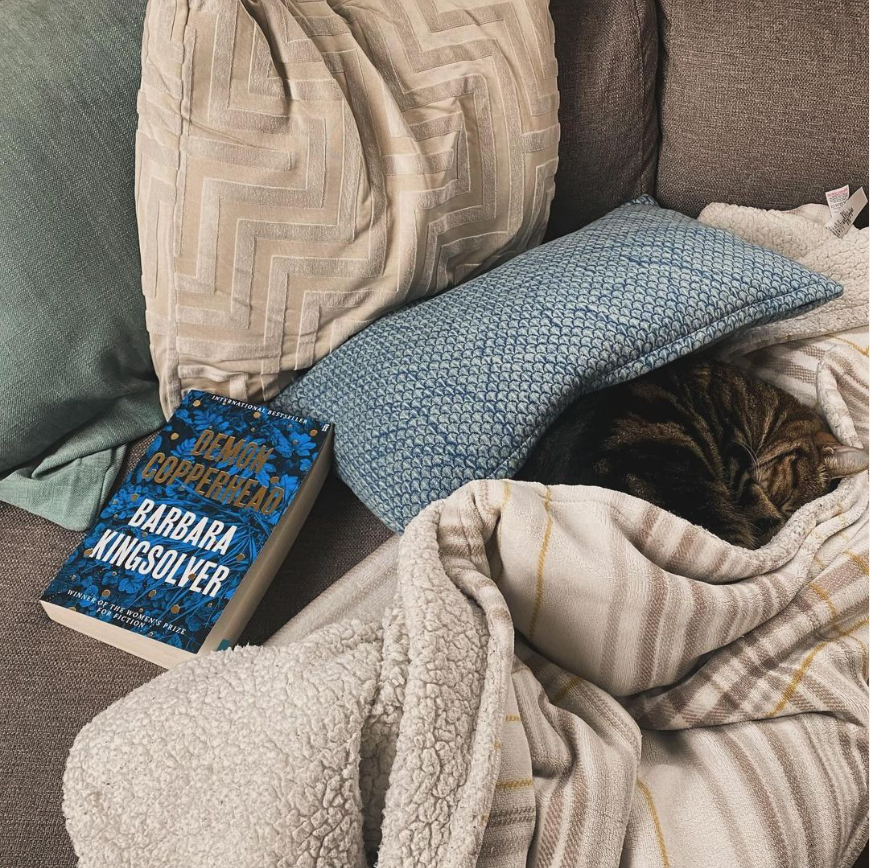
10. Demon Copperhead by Barbara Kingsglover

Heart-rending, first person misery-loop through the opioid crisis in the Appalachian region. Based on David Copperfield, like a tupperware lid that works but doesn’t quite fit, this association oscillating between clever duplication and being distractingly divergent. I loved the many nods to the original, but it did this best with the side characters and pithy observations. Both novels turned pages in-step to the treatment of vulnerable children at the hands of incompetent adults, and the societal systems around them that do nothing for their recovery or well being. Given the decades between each book, this is a striking takeaway. As a standalone, if I knew nothing about Copperfield, it may have even been a 5/5 as I really loved this book. A classic is always a tough act to follow let alone mirror with contemporary misery, but Kingslover managed it. We lost a lot of levity and satire when it came to the Micawbers and Miss Betsey, but gained with the modern-day colouring of Dora and Agnes. An excellent book and one that I would definitely recommend, I just got in my head too much about where it lines up and cuts diagonal to the original, nonetheless, I recommend it and the book hangover that comes with it. 4/5

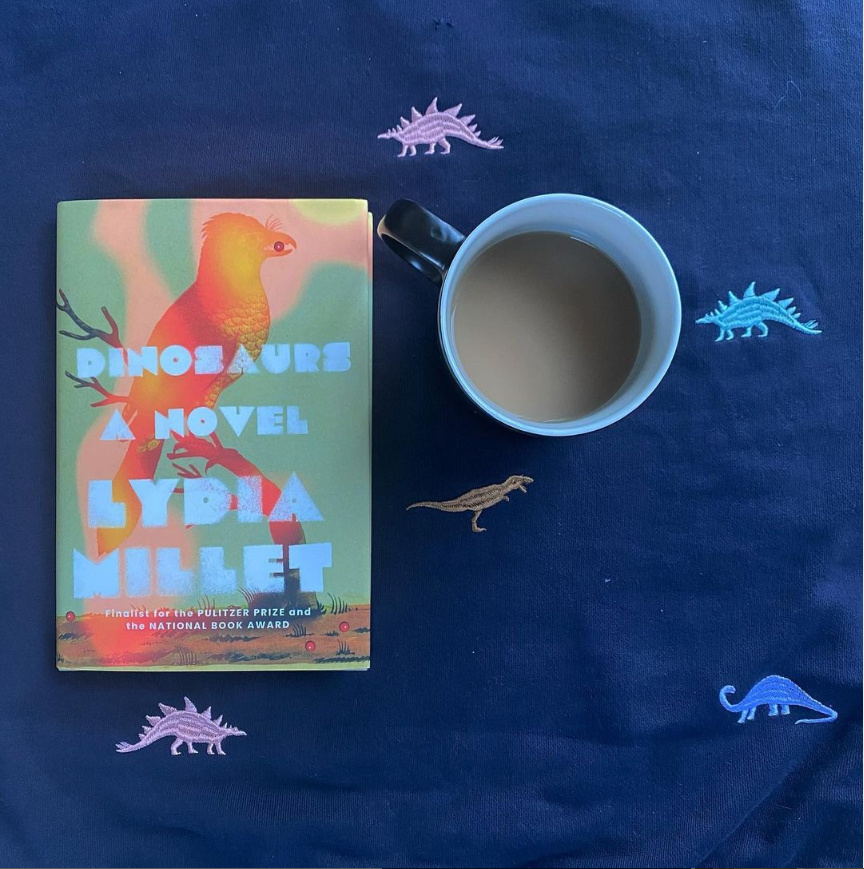
9. Dinosaurs by Lydia Millet

This book is about everything and nothing, has a meandering sort of story and a premise that shimmers like a mirage at the corner of your eye. The book opens with the protagonist, wealthy through tragedy and inheritance, purchasing a house without ever seeing it on the other side of the country – which he then proceeds to walk to.This matter-of-fact whimsy is a consistent theme throughout the book, and part of what made me fall in love with it. Not needing to work, he spends his time volunteering and befriends the family that moves in next door. This book is about relationships, and friendship, about love, bullying, somehow also about climate change, and birds, and marriage, a little bit, I think. It is written with a delicacy that is enchanting, rich in optimism and a perfect little book to curl up with as the weather gets colder. 5/5

8. Tom Lake by Ann Patchett

Autumn in ZΓΌrich continues to wipe the summer sands from its eyes.Temperatures have jostled all along the thermostat and it brings to mind one of the best late summer reads I had this year. It will give you a hankering for theatre and cherry pie, first loves, and is written from the perspective of a mother recounting her former theatre days to her three daughters – the book handles its characters in the most loving, empathetic way. Whether through the eyes of a mother or a woman looking back on her younger self, the narration is washed with the same rosewater warmth from the perspective of a main character who thrums with in satisfaction for how her life turned out. There is nostalgia and fondness, no wistfulness or waspish regret, and as a reader this in turn leads you to trust wherever this story is going, because the main character is so clearly more than alright. This books is a gentle, read. A lull into calm and crisping leaves 5/5

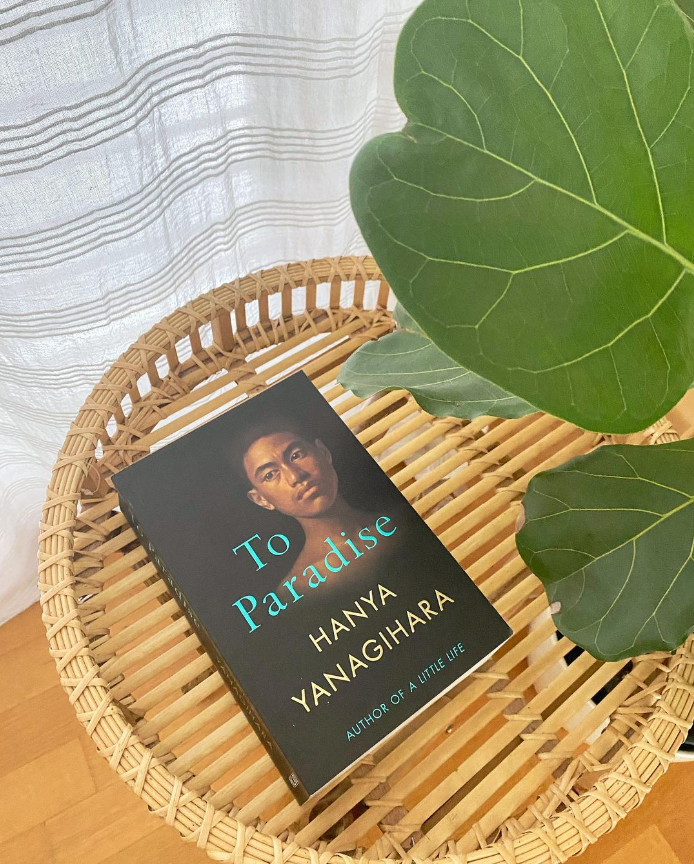
7. To Paradise by Hanya Yanagihara

Fans of β€˜ A Little Life’ (and let’s face it – who isn’t?) should have walked into this one with their eyes open. I should have known that it would be 700+ pages of complicated emotions manipulated like hand-pulled rock candy. The book is alternative reality meets contemporary systemic bias, oppression and social challenges. It covers a breathtaking expanse of issues, masterfully told and just close enough to be uncomfortable, but far enough for the reader to be able to find the threads that feel most relevant to them. I found a lot of pandemic-era paranoia taken to fuller extents. Intergenerational trauma and colonialism (sometimes both for the price of one) were steady friends throughout the interlacing of storylines with all the characters more or less having the same names but completely different traits across the generations was exhausting but never totally off-putting. However, if I read this on Kindle I may have actually cried. I had to keep going back a few chapters to work out which David was talking. 4/5 in the end – partly due to the length, and Inception-esque spinning top sort of ending. But goodness, can Yanagihara WRITE.

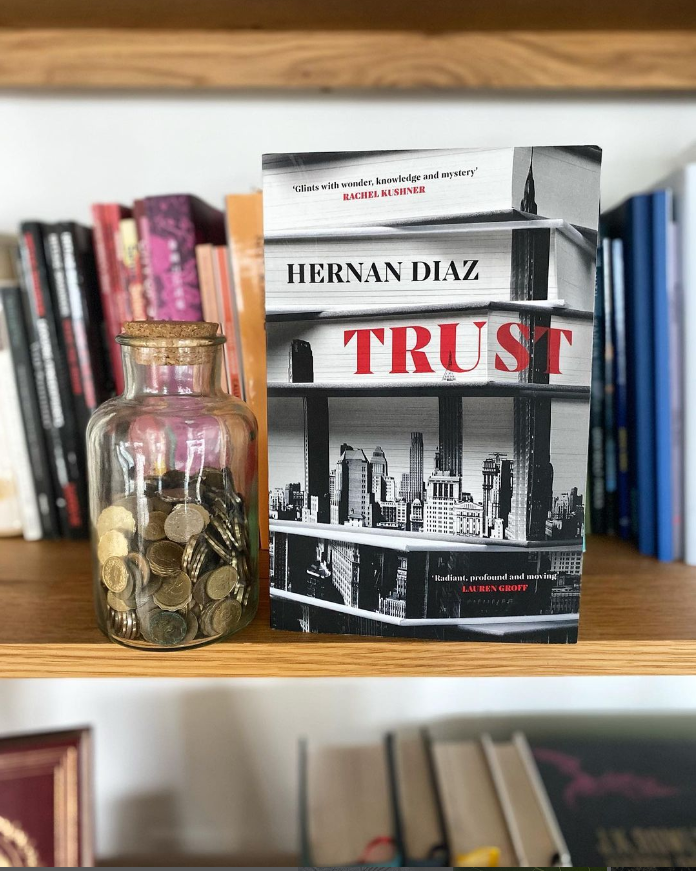
6. Trust by Hernan Diaz

Delighted to have received this as a present as I would never have picked it up myself – and would not know what I was missing. A strange premise – a book, within a book, within a book, a mix of ego and the birth of capitalism as we know it, rooted in the 1920’s world of finance and by all appearances, a story of men and commerce in a man’s world. However, at the epicenter of this tale is a woman (of all things!), tragedy and mental illness. Each layering of place and story gets you closer to a sort of truth, and what started out as a dry tale built on legacy and pride, ends up feeling very human. 4/5

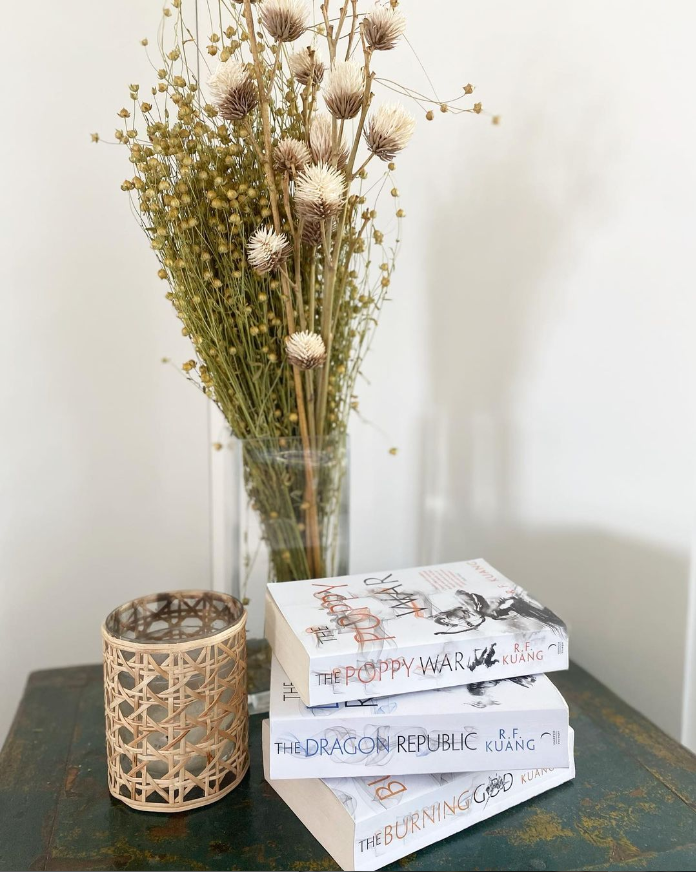
5. The Poppy War Trilogy by R.F Kuang

Hard to think of another recent contemporary fantasy read that was more satisfying. I devoured it over the summer, and was completely captivated by the storytelling, enchanted by lore, gore and plot. It’s almost rude how many times these books moved me. I cannot add more to what has been said about the astonishing way this balances allusions to imperial history on both sides of the ocean with authentic myth and legend. It also achieved the rarest reading magic of all. My affinity towards certain characters was strong at the beginning, but throughout the course of its many pages, I trusted the flow of the plot more and gave up any attachment to outcome, freewheeling into the narrative prowess of R.F Kuang. It did not disappoint. 5/5

4. The Goldfinch by Donna Tartt

Another long term resident on my bookshelf. If you fancy an ensnaring plot which threads love and grief with a storyline gritty, devastating and somehow still pure, this one is for you. Theo, a young boy whose life is devastated through a terrorist act at the books’ opening spends the next few years buffeted by one disappointment after the other, with the reader witnessing the total severing of innocence at a pace that made this a 4.5 for me out of 5. Very nearly a 5 – and certainly one of the most memorable books of the year for me.

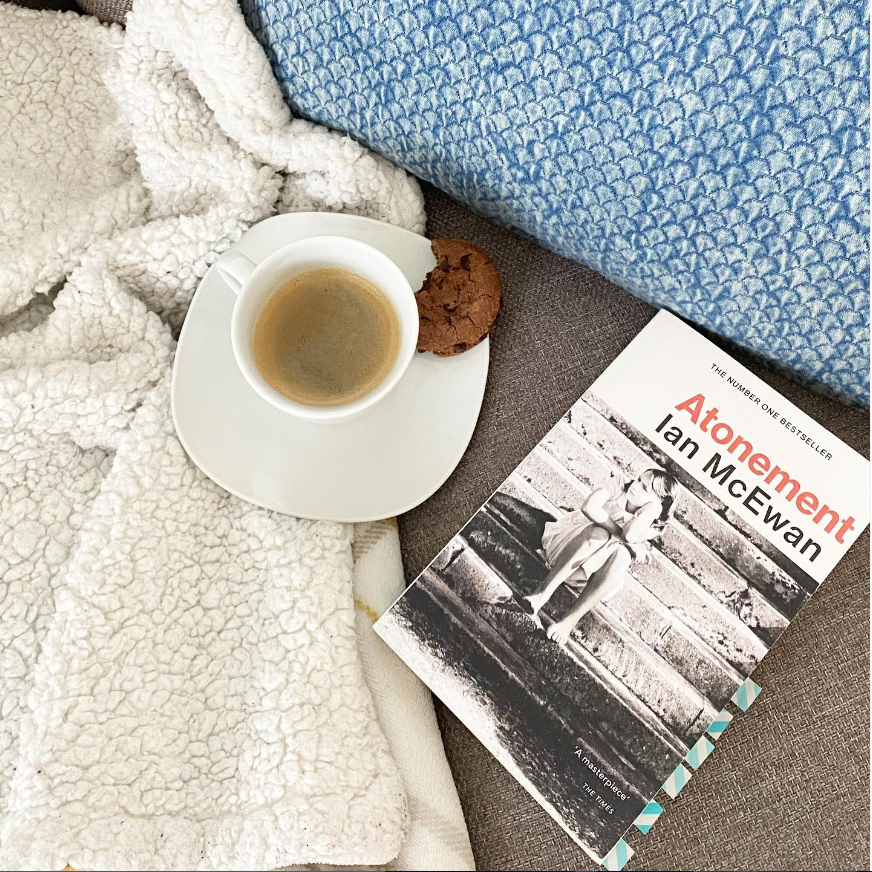
3. Atonement by Ian McEwan

A masterpiece, and one I imagine will get multiple re-reads. The craft in this book and the dexterity in which it acrobats every few pages is almost rude. McEwan foreshadows like he’s Taylor Swift and does that pulling a tablecloth magic trick frequently with the POVs. The structural and stylistic changes as the book progresses is another effective sleight of hand. You don’t notice it happening, but it helps shape the narrative. Atonement is astoundingly good and requires multiple book tabs for later study – it did at least, for me. The plot is poignant and uncomfortable, and set just as WWII breaks so this gets worse as the story unfolds. It’s impossible to talk about this book without spoiler-ing the reasons why I loved it. So I will just say that there is not a single perfect obvious character that one empathises with – the cast is complex and realistic in their motives and actions. The little sister character, Briony captured so well the mind of a young, emerging writer that even her pettishness and angst was startlingly familiar. This one falls firmly in the favourites tier. 5/5

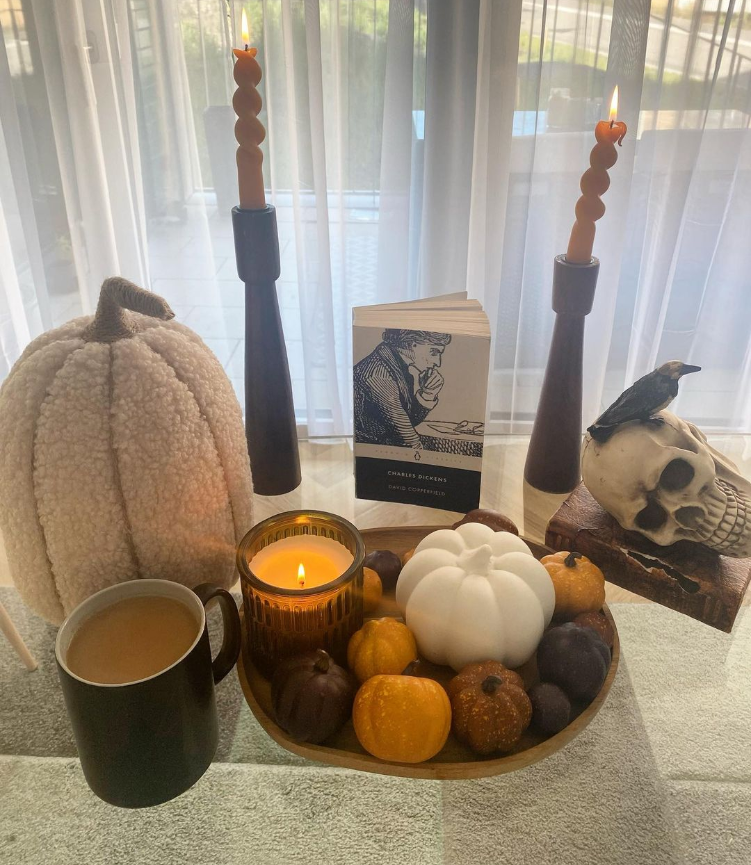
2. David Copperfield by Charles Dickens

I last read (what must have been) a severely abridged version of this book when I was a child, and remembered liking it enough for me to want to re-read it before tucking into Barbara Kingsglover’s Demon Copperhead. I did not expect it to rocket to the top of all the Dickens I’ve read, and to love it as I did. Vaguely autobiographical, this book is packed with implicit societal commentary that chimes well with the modern reader. It is a triumph of human emotion and comedy. A wildly perceptive, charming celebration of idiosyncrasies and the absurd, honouring characters with a practised warmth – so beloved in a first party narrative, that they don’t quite come across as satire. Miss Betsey Trotwood and her donkies, The Micawbers, Peggoty (her buttons!) The pure and the redeemed both exude a goodness that the author’s pen outlined at a time when condemnation or moralising would have been much easier to accomplish. Dickens excels with the antagonists in equal measure. They are despicable, skin crawling, repugnant in some cases, but the genius of this book is that this is perceived by David only as he grows and matures and with us all along for the ride. The knitting together of disparate storylines is satisfying. Each bind-off from the needle is apt, from the tragic to the endearing (much like The Count of Monte Cristo, which I adored for similar reasons.) I’m glad I waited this long to pick up this book. It was more than I expected, and I will now carry it with me. Classics are always so for a reason, but there is something supremely satisfying when it hits you squarely in the chest. 5/5

1. Tomorrow and Tommorrow and Tomorrow by Gabrielle Zevin

First book of the year starting strong β€” a gorgeous novel about friendship and gaming and so much more. Set in the perfect collection of decades to be in step with technology and warm the nostalgic cockles of older millennial hearts. The novel even references this (without breaking the 4th wall) in the end. Something unexpected and wholly welcome was the different literary devices used and the wide range of influences that went into each game build – like with any creative process and the novel showed this both in storycraft and the plot itself. Really enjoyed this one! 5/5

A note from the mountains

β€˜The mountains suit you’ Angus messaged today. And so they do. I came here to read and write and whilst I have managed some of that, all my best thinking happens on my feet – and I can’t seem to stay off them.

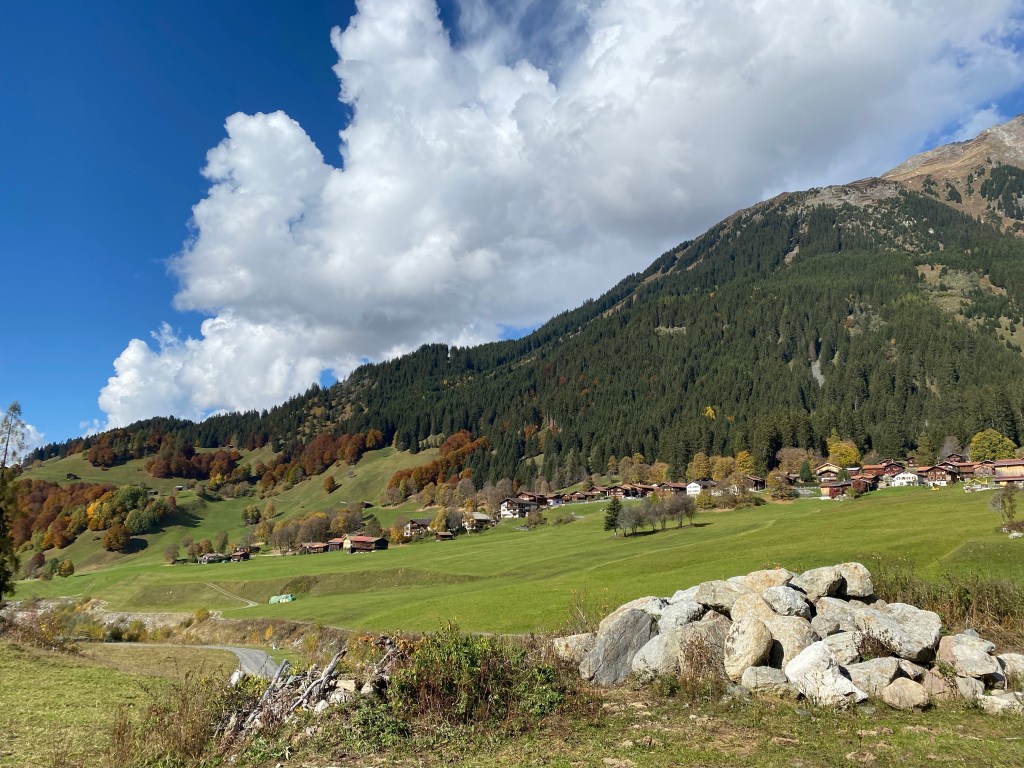
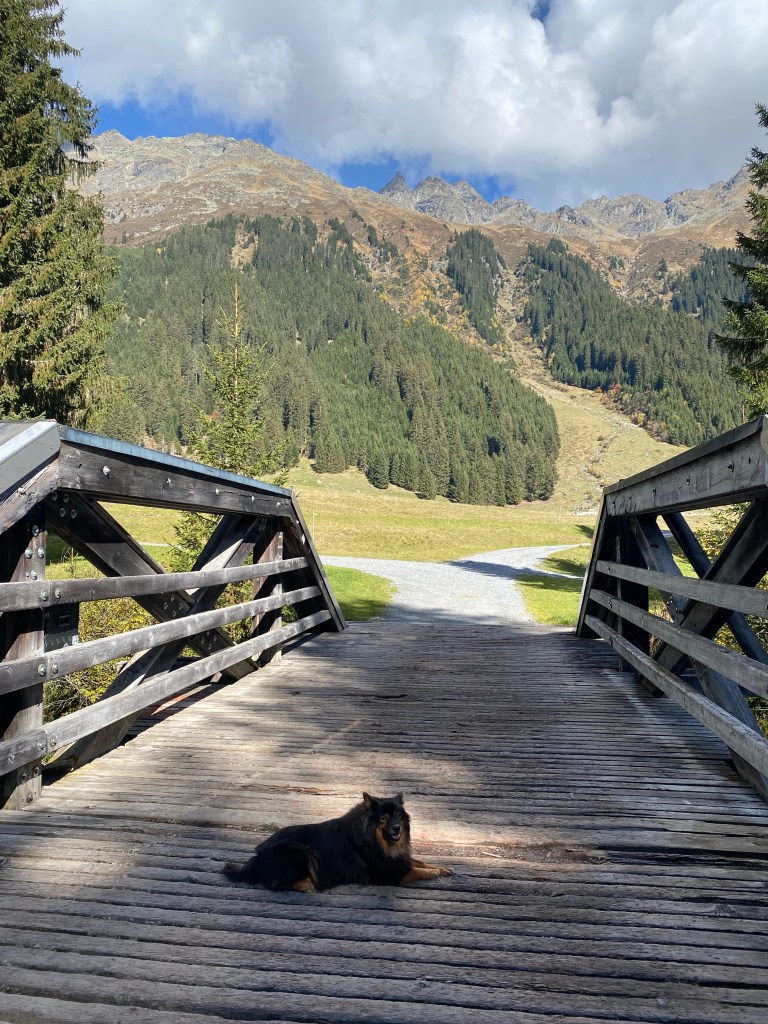
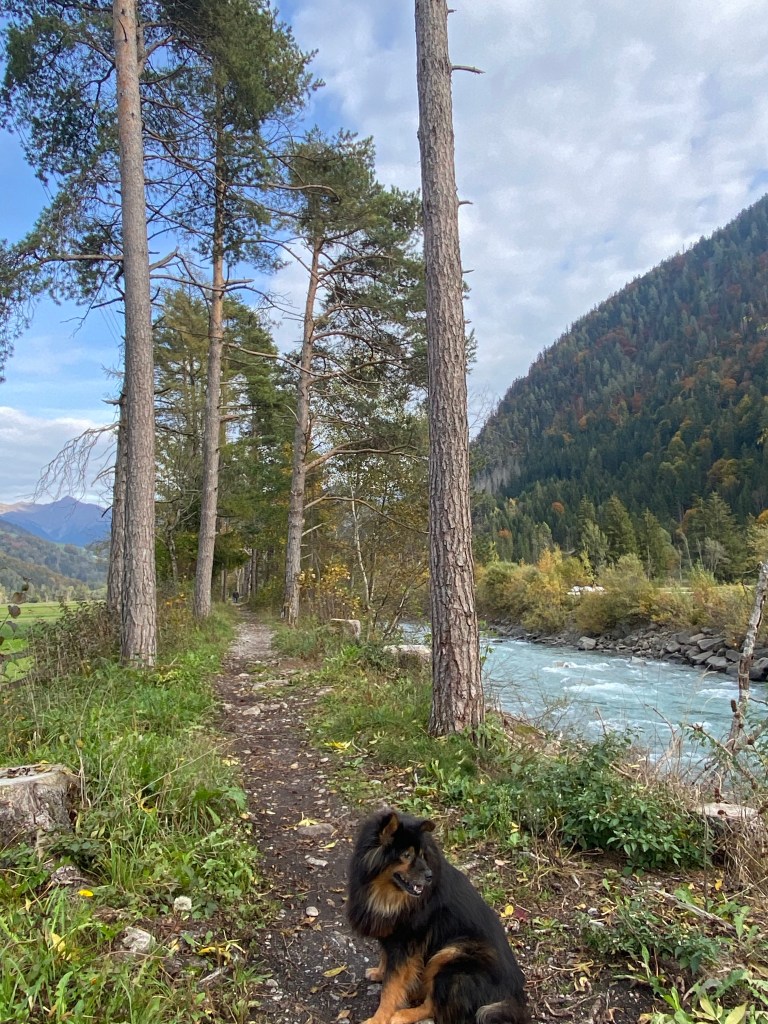
The natural world in this part of Switzerland is basline stunning anyway, but I find it absolutely bewitching at this time of year. Trampling along the almost deserted alps with my dog in tow, I thought about how younger me – under the well-meaning stares of watchful relatives – was only allowed to go alone as far as the corner shop during visits to my parents’ respective ancestral homes.

Cue a strong tendency towards β€˜I want to be where the no people are’ as an inevitable lifelong trait. Counterintuitive given my visible extroversion, but without an occasional hard reset, my batteries don’t charge well.

Yesterday, I walked Lucy along a scenic 5km route to a hole in the wall for some local fare for dinner. A couple of awkward encounters reminded me that there are regional differences in Swiss German. I have made a mental note to check if the new words I learnt on this trip are high German or dialect. The struggle continues but it actually is a really fascinating aspect of the culture here. I returned to my charming airbnb and settled down to read – fittingly a book that involves taking a dog on an adventure.

Perhaps that is what possessed me to take Lucy on a 15.5km meander around Klosters today. She would feel utterly betrayed if she only knew how many times I opted for the longer route – but today it was in the air and brought on by the sun after a recent bout of bad weather and much to the dismay of my ageing pup, resist I could not.

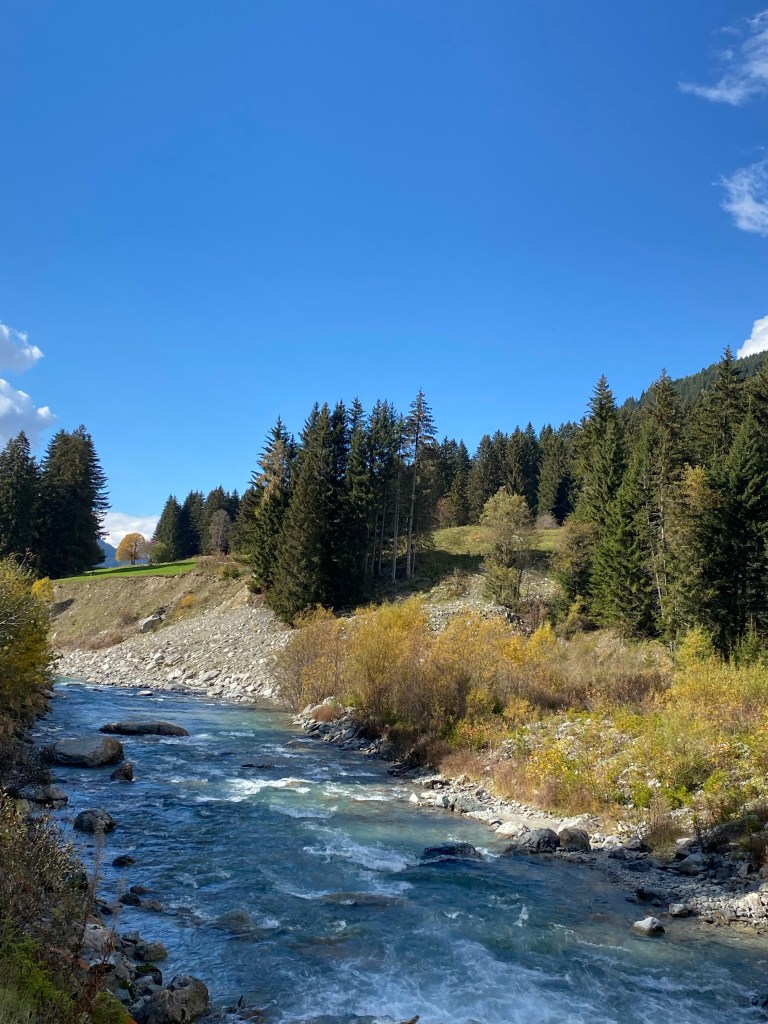
Klosters were a treat – gorgeous even in the handover from summer to autumn. There was a sprinkling of snow on the highest peaks already, the pines in proximity to the landquart river gave the tiniest whiff of that year-end feeling, but the larch trees were still verdant – not yet that magical mustard colour, and a reminder there is still quite some time to go.

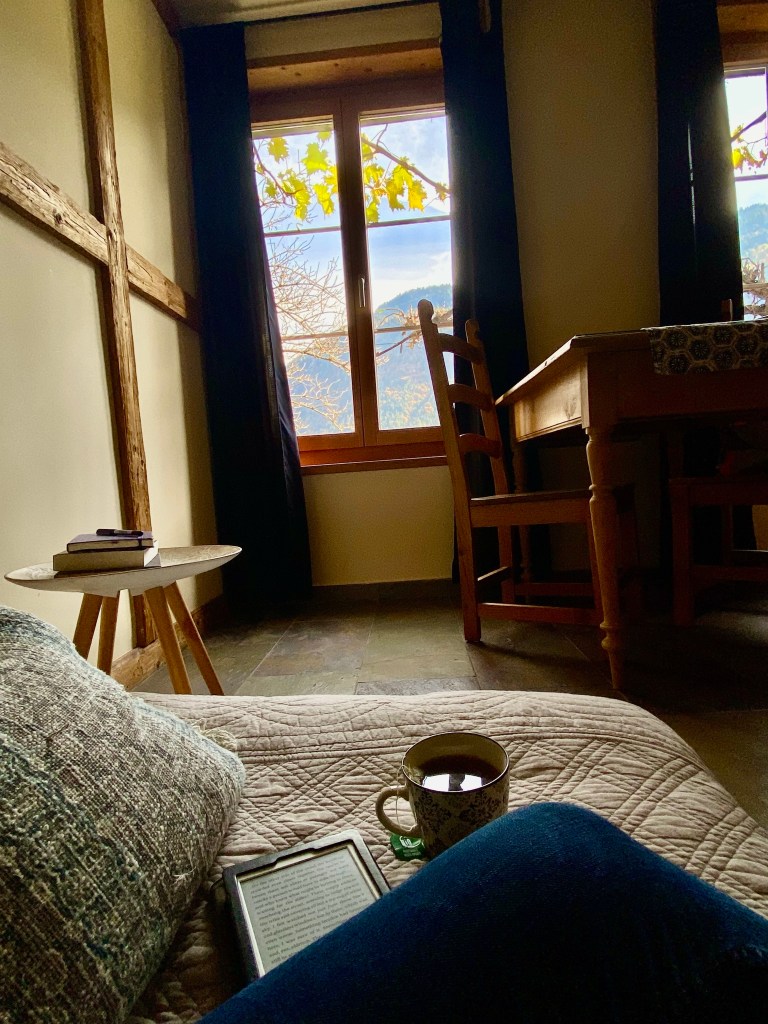
The mountains settle me. The walking tires me in a good way. I sleep better, eat one big meal a day and snack on local cheeses. For something warm, I sip a steaming mug of peppermint tea. I compartmentalise work. I was able to reflect fondly and with gratitude for my beloved mother in law whom we lost two years ago this week. I detoxified my thoughts – spending time with a dog massively helps with this – and even spoke German without thinking. I chose the tinkling of cowbells over the many audiobooks and podcasts I have lined up, and for the first time in a long time I was fully present with myself.

This short trip has been a powerful reminder to keep paying myself back with time. We are all deserving of being the recipient of our most valuable asset. A lot of energy is spent creating value for other people – whether in a personal life or work context that it is easy to equate this usefulness with self-worth which in turn is a oneway ticket to burnout. I am fortunate to be able to escape the grind, not just by maintaining hobbies but building habits out of them. Life ebbs and flows but the consistency over the long run – the things that return you to yourself are the things worth investing time and energy in. I write this as water trickles from the trough outside, cowbells tinkle and the occasional wind chime joins the fray. Dusk is settling and the dog has passed out. I am looking forward to finding out what happens next to her counterpart in my book…

kitchen rituals

β€˜Home becomes the word

at the end of a pen,

You have to lick

to coax the ink out.’

– undated journal entry, 2021

Ok you get it, I write about the idea of home a lot. I can confidently pun(ish) anyone reading this with the completely unnecessary use of the word homage because of all the content I have spat out into the universe on this (but I won’t).

The irony is of course, that the prolificity makes me no expert and I suspect if I had a firm, applicable grasp on the word – I wouldn’t write about it so much. 

Just like growing up can feel like a slackening of the self from societal coils –Β  my definition of home gets more fluid with time, and each wave rinses more sand from the accumulation of hermit crab shells.

my definition of home gets more fluid with time, and each wave rinses more sand from the accumulation of hermit crab shells.

There are obvious ways to recall a feeling of home – many of them are nouns; the people and places and things that ground us. A long Phone call, a Movie. Sights. Smells. Photos. Then there are the rituals, inherited or otherwise, the things that we do that fine-tune that feeling of home but also lay breadcrumbs back to yourself.

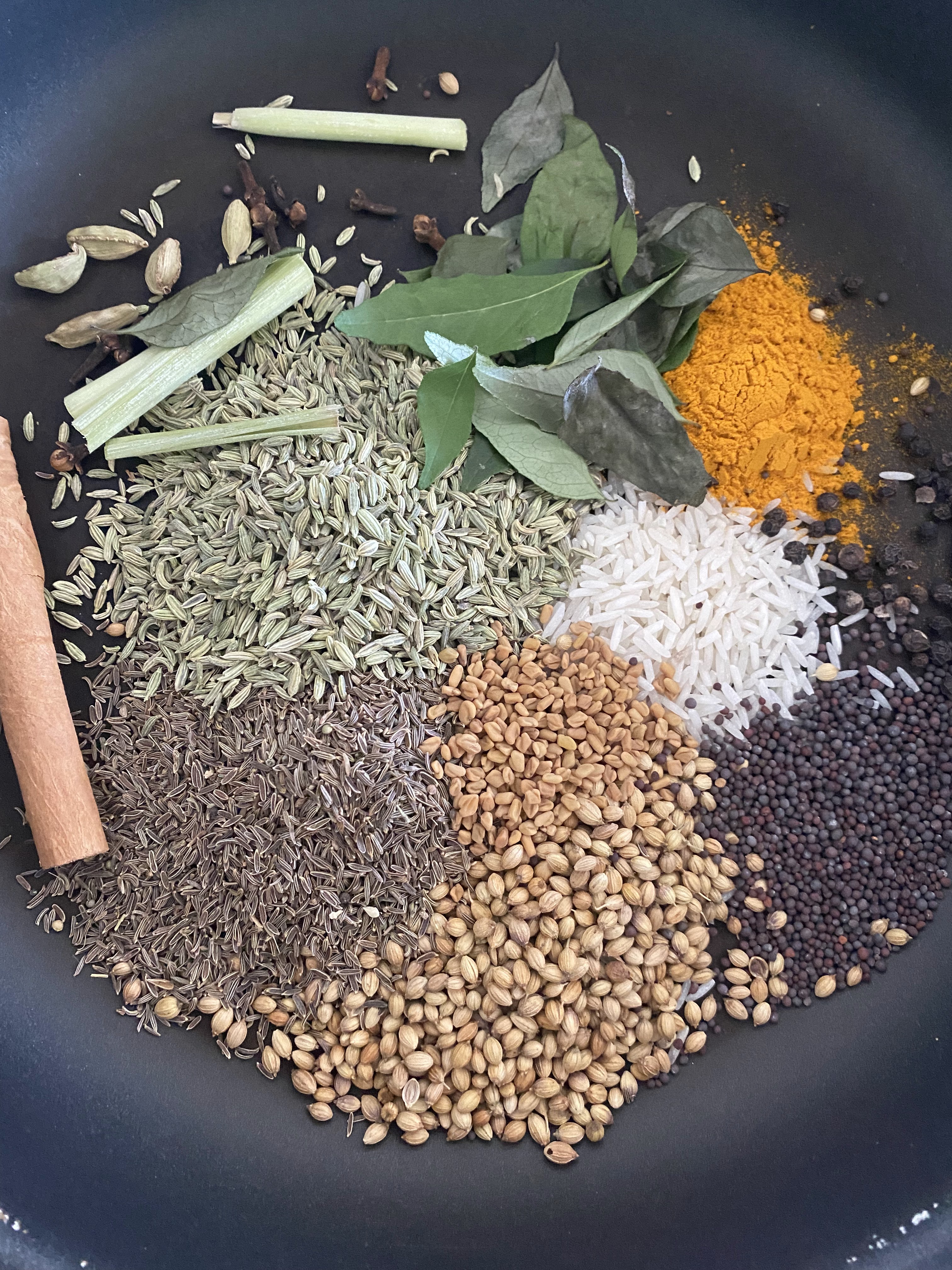
I recently upgraded my home coffee situation. It requires an apparatus that puts me uncomfortably close to β€˜coffee bro’ territory. One of the said items is a coffee bean grinder which I have also been using to make my own spice blends. Sri Lankan curries often require a base spice mix made up of roasted curry powder or unroasted curry powder. Roasted curry powder is a mix of several spices dry-roasted in a pan until fragrant and then blitzed into a potent, rich curry powder which marinates the life back into meat. I made a Sri lankan beef curry last night that took me to several of my aunty’s tables which will have to for now as long-haul travel remains off my table.Β 

Sri Lankan roasted curry powder in the making

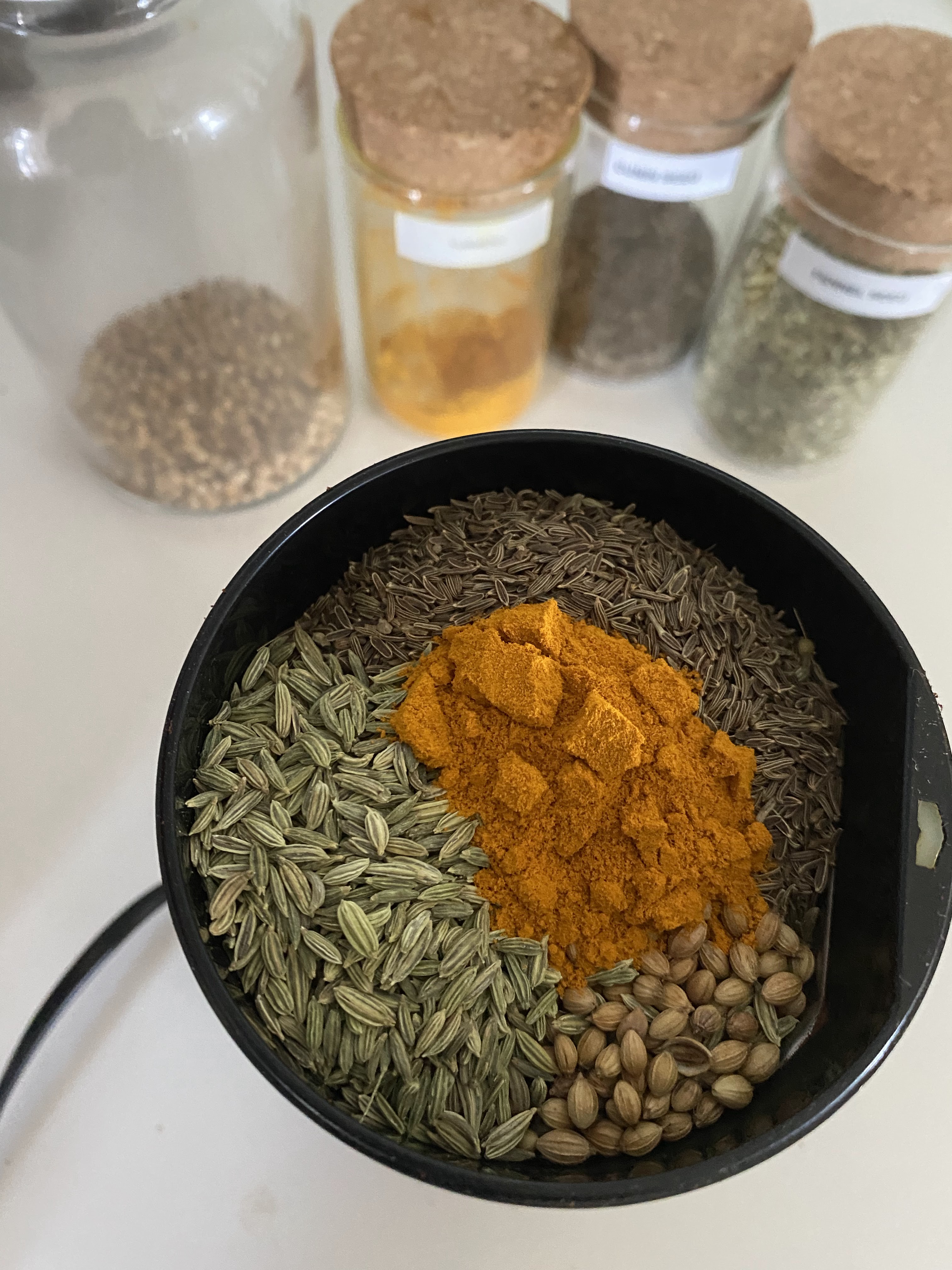
Unroasted curry powder is a lot simpler – four ingredients instead of 13, blended and used in a range of dishes. I have most often used this on vegetarian side dishes, like in the carrot and green bean veggie accompaniment to yesterday’s meal. Raw curry powder lent its flavour recently to a Sri lankan jackfruit curry on the advice of the virtual diaspora i.e I asked on Insta stories. I have not spent much time in Sri Lanka as an adult and so chasing dishes and flavours – some that I didn’t even appreciate as a child, has relied on a hell of a lot of reading, watching and tapping into the collective knowledge of other third-culture kids like myself. 

Sri Lankan raw curry powder

The Jackfruit charmed my childhood memories long before it was declared a superfood. These hunking beasts would hang like alien skin tags on trees in many domestic gardens in Sri Lanka. They are terrifying from the perspective of an 8 year old not keen on getting bopped on the head by one.

Β My mother was raised by her aunt and the families were close so that I was lucky enough to have two maternal grandmothers. I did not realise until I made jackfruit curry for the first time in my kitchen in ZΓΌrich, how much this dish linked to my memories of them. In order to get the best use out of jackfruit – they are picked whilst still green and made into savoury curries. Those that are left to ripen on the ground are kept out of the way – these are massive, boulderlike and aggressively tropical fruit. When ripe, the fruit is a bright mustard yellow and incredibly sweet. Jackfruit seeds are also edibleΒ  – these would be boiled to remove the outer husk, sun-dried and roasted, then finally sprinkled with chili and salt.Β 

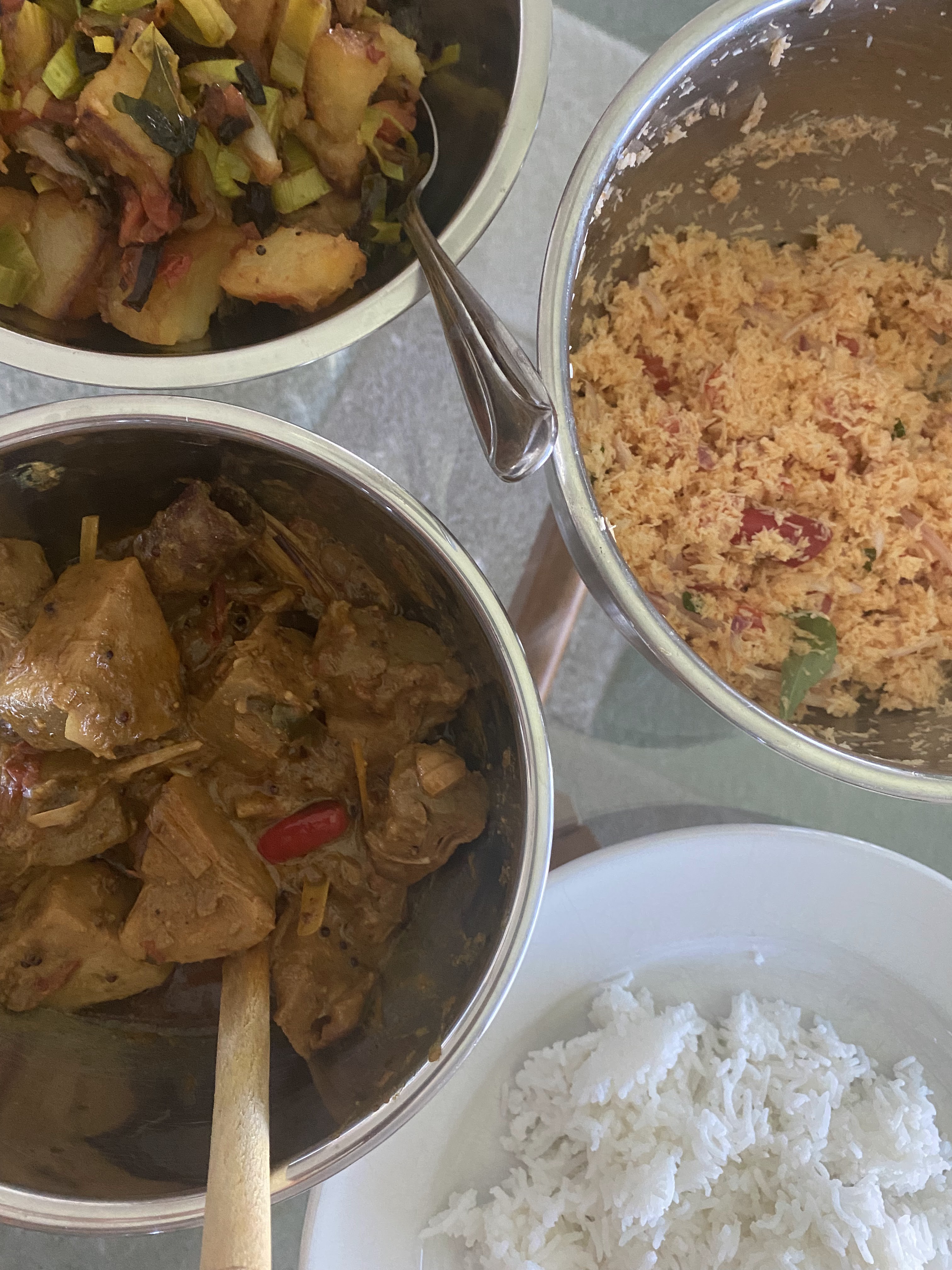
Jackfruit curry, Pol (coconut) sambol, and Leek and potato curry, served with rice

The turmeric has already stained the see-through plastic of the coffee grinder. It makes me happy to look at it. It feels like a small victory for all the times I tried to hide the curry stains on my plastic containers growing up in Hong Kong. Now my pantry is a colour swatch for decolonization. If I start making my own cold brew coffee though, please send for help. 

Cooking connects me to the places I call home, but my true kitchen-love is baking. Perhaps it has to do with the fact that this was an accumulated skill. This is not to say this was also not demonstrated by my legions of aunts and cousins in the kitchen. Having a butter cake or β€˜short eat’ savouries that could be sliced or fried at a moments’ notice whilst a visitor parks their car (who really would drop in unannounced at any time –Β  the actual stuff of nightmares for me) is a non-negotiable in many Sri Lankan households.

I suppose you could say that whilst cooking feels like a celebration of where I have been, baking is an open road.

Baking relies on chemical principles that over time, become second nature and leaves a lot of room for creativity and experimentation. It gives me the same satisfaction asΒ picking up a pen and writing what happens next. I suppose you could say that whilst cooking feels like a celebration of where I have been, baking is an open road.

The rituals that feel like home when it comes to specifically baking are numerous (licking bowls, anyone?) but what I find most gratifying is making any kind of dough – breads, pie crust, quiche, pizza, roti, dessert – actually, the yeastier the better. Making dough by itself is satisfying, but after a few years developing a feel for – adapting to a preference, being able to read it and adjust based on how it feels that day. There’s a sort of muscle memory that comes with the repetition that makes it feel ritualistic.Β 

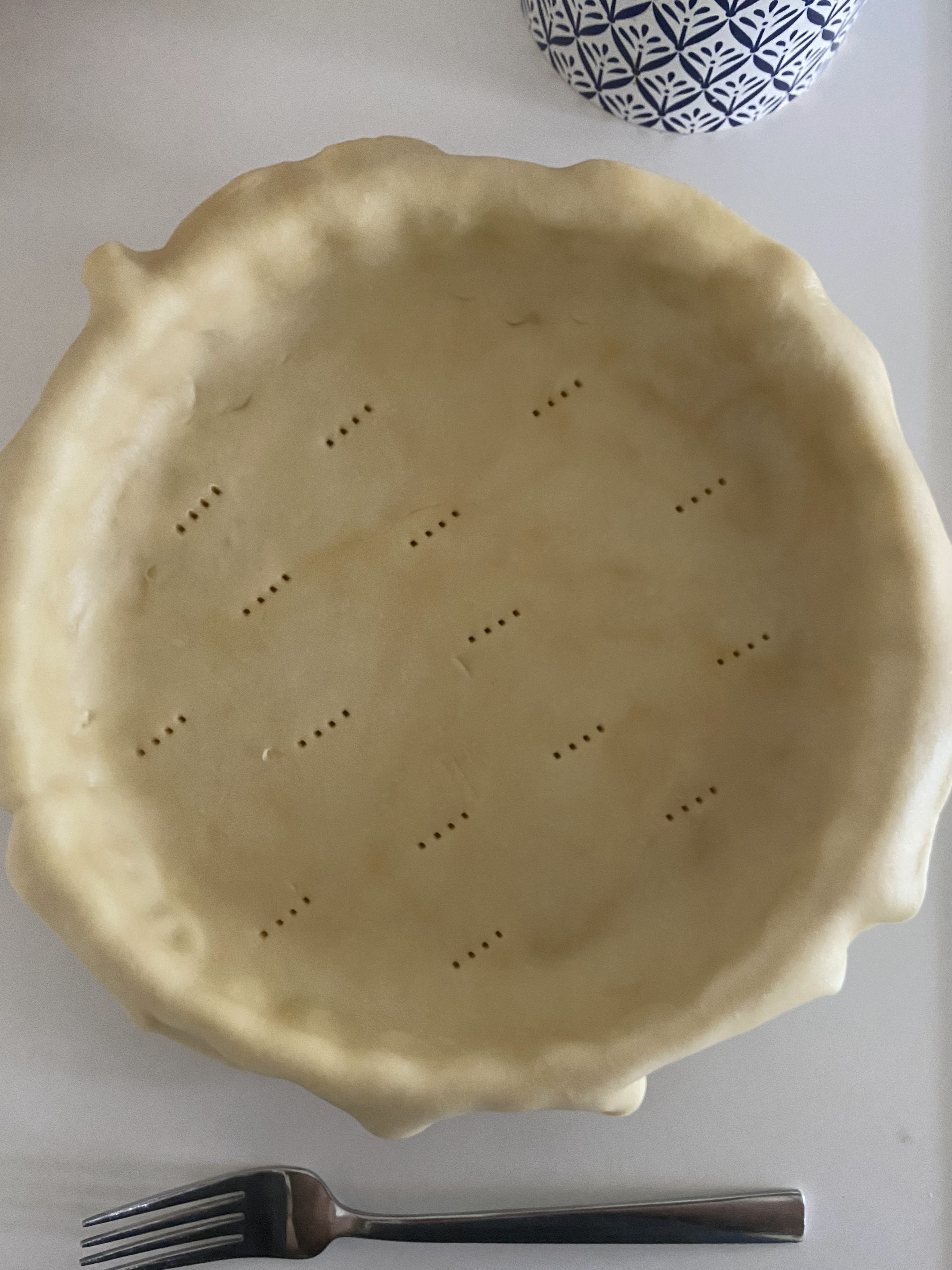
Quiche dough

So, in short, to add to my many definitions of home – it is true that home is where the heart is, and this is especially true when coupled with the adage that the way to a person’s heart is through their stomach.Β 

footnotes on existence

I moved to Zurich from Hong Kong in September 2020, and have since become severely algorithmically challenged.

From almost the very beginning, my social feeds were a disaster to wrangle. My first social networks consisted mainly of ex-classmates migrated off chat programs from three different countries.

Β Then came the friends and family furthering that geographic sprawl, add colleagues, folk from the literary community, and the different social and interest groups as life took its course, including several dreadful parenting groups for the Schadenfreude (and occasional restaurant recommendation.)

In recent years, for better or for worse, we have all observed politics splinter the superficial veneer of our lives online. In 2020 this reached a fever pitch with the plague of our times and a litany of public opinion amplified in the absence of physical places to gather. 

I started dropping platforms despite an intense desire to β€˜stay in touch’ remain β€˜accessible’ and only be β€˜one whatsapp away.’ Scrolling made me listless, everything I encountered felt mildly chaotic and a list of connections built up over a decade was unmanageable. It made me yearn for those top 8 days. Posts competed with ads in different languages, time zones, and news cycles leaving me somewhat bleary eyed in the blue light.

The algorithmic shift was a circuit breaker to lifelong digital habits.

My corporate life had springboarded with the advent of social media, and quality content remains part of what forms my professional identity today. The algorithmic shift was a circuit breaker to lifelong digital habits. As a digital native, I was raised on blogs, and cut my teeth on the β€˜content economy’. It was not just a way to consume content but to participate and make sense of the world. All milestones had their pixelated counterparts, and became a digital undercurrent to life – over time, and as my family grew it became my scrapbook. Despite this, I have been ruthlessly editing where I spent my time in the last year.Β 

My most used social network is currently causing waves as older millennials bristle at the way it is changing. I am one of them – constantly irritated at not being able to listen to music as I scroll because of the barrage of video content. I am mortified at how much space this thought takes up in my brain but oddly it’s this, and a comment from a friend about reverting to older digital habits that brought me back to this blog. I had given up the domain and was happy to include it in my platform purge –  until now.Β 

It’s fair to say I have an unusual name, so the fact that I could never claim the domain was a little bizarre. By strange coincidence, somebody with the last name Gallagher who was in local government in Nashua, New Hampshire had driven the domain price into four figures even years after it was retired – that is, until I checked this week. Even more coincidentally, somebody with the last name β€˜Nash’ contacted me for the β€˜aDashofNash’ domain for years, and in my lofty ideas of what I wanted previous versions of this blog to be, I held on to it longer than I should have.Β 

A little bit of domain roulette reminded me that it doesn’t need eyeballs or reach for me to want to exorcise white spaces with words. It’s nice to own my own name, and have a place for these footnotes on existence. 

WRITING

The remains of my many childhood journals are in various stages of decomposition in landfills in at least four different countries. I have preserved very little, and what I have kept I cannot bear to read. Nor for the most part can I make out the handwriting or the knotted thoughts I was trying to unpick underneath the writing. As an adult, if I take pen to paper, it’s generally in response to some other symptom that can only be sweated out, purged in whatever metaphoric fever I find myself fighting. Some may call this inspiration.Β 

The thought of leaving out a journal that could be read, (judged, really) – childish scrawls, ideas shallow and new, shocking punctuation et al caused me to panic-rip pages and dispose of them immediately. My subconscious regrettably came to some sort of conclusion that I wrote in order to be read and therefore all my words had to be read-y.

It’s embarrassing to think about now. As though every sentence I wrote began with a shot from the muses’ well, as though folk would be interested in again, the diaries of a _child_, whatever success I would go on to have in later life. Is it any less self-indulgent than your average aspiring writer?  Perhaps even on-the-nose considering my particular poison is poetry. Thankfully, this writing-to-be-read feeling didn’t last. If it did, I doubt it would have ever moved beyond a feeling. 

It took me ten years to publish my first poetry collection and I have a blog that averages one post per quarter on a good year. This is hardly the behaviour of a rational person who primarily writes to be read. Having actually experienced the pleasure of having my work published and read – even taught (!) I can confirm whilst thrilling, it was not the motivation behind the work. It’s clear now that wanting to publish a book so other people can read it, is like wanting to get married just to have a wedding. To abuse this metaphor further, I find that just like a dress that may not fit years later, there is a stylistic statute of limitation on a piece of work too. This is likely the main reason I will always write. To hear what I sound like, on the outside. It is not elegant or inspiring and is hardly less self-absorbed – but I feel a little bit better that it doesn’t presume perfection, or even an audience.

For years I would chide myself for not being prolific enough. Being a part of a spoken word community helped maintain the habit on a good day, and produced bad poetry on a bad one. I would often grasp at whatever was happening in my life at that time, ram it into the shape of a poem so I could show up on a stage and prove I had something to say, which is in itself the quickest way to say absolutely nothing. Then I would edit it within an inch of its life and find the thing that caused the poem in the first place. Sometimes, several years later. (This is why I have a particular distaste for poems that are forced to rhyme. A natural rhyme is wonderful, a forced one conjures images of a baby straining against a swaddle – parents are told it is the natural order of things, contrary to the wailing evidence in front of them.)

I also loved the extra-curriculars afforded to a writer. Reading feels like a side-hustle, participating in literary events, long conversations dissecting books, performing my work, workshopping with other writers, writing reviews and generally having a space to talk about all the parts of life we have collectively dog-earred. This also serves as a brilliant distraction from writing, and when I grew sick of reading the same poems out loud over and over again, it eventually became the fastest one-way ticket to imposter syndrome.

It’s been a couple years since my first book came out. I have made some big swings in my personal life, shed miles of skin – real, metaphorical, other – and needed to lie down a lot. I am no longer a part of a wonderful spoken word community as this is now on the other side of the world. The pandemic has meant that my goodbyes here sort of petered out, no dramatic farewell, just life that had to be gotten on with. 

The pressure to write is gone. The good kind is always within reach, but I am glad to let go of the bad kind, which would often detract from the point of it all. Some of this has to do with having scratched that childhood itch. I wrote a book, people have read it, some have even liked it, but the dream wasn’t the book. The dream was to keep writing.  

I do not regret the journals I have thrown out. The words I have deleted. Poems that start in the shower or as I am falling asleep that never get written. The times I have forgotten my notebook, or a pen, or simply forgot to think about it. I am no longer desperate to only archive the things that make me look best, because writing is a true thing, and the process is the point. I do not feel guilty when life gets in the way. In fact, for my kind of writing, life HAS TO get in the way. Just living is passive writing. In many ways I don’t ever stop. In my head, on social media, when I tell stories or write emails.Β  So perhaps, what I am really trying to say is that writing is the way I know true things. This is how I know there will be another book. A truer book, to reflect the next writer I am, and the next, and the next.

At Home in a Bookshop

One of my poems calls home a four-letter word.

I write about that four-letter word a lot. Often through a nomadic lens. A longing, or a feeling, as brittle as an idea, as tight as a knot in your stomach, a noun passing as a verb. My various interpretations of home is the poetic equivalence to being strapped on a mediaeval torture device and having it stretched beyond its means (and meaning.)

Having recently relocated to the other side of the world, my homesickness is of a peculiar kind. Mostly tied to people and food, and not just from Hong Kong. From Sri Lanka too, where I was born, and the Philippines where I spent several formative years. Sometimes the longing is to travel back to places I have only visited. I had the most decadent vegan (!) feast of my life during a stay at an elephant sanctuary in Thailand. Another recent desire was to go back to Siem Reap and meander through the temple ruins of the Angkor civilisation. I was bewildered to learn of an overlap between the Angkor and Mayan civilisations. I knew considerably more about the latter, though the former was a mere 90 minute flight away. The bizarre familiarity of Singapore, a casual extension of Hong Kong because of friends and loved ones scattered across both cities. Adjusting my peripheral vision to Melbourne, and then eating my way through the city. The many shades of green, and warming hospitality of Ireland. Business trips to London. Reading poems on a stage, anywhere.

I feel far away, further every day from many of the places I have known and loved, a common feeling as this pandemic bleeds into the second year. We are discovering, albeit slowly (because safety first) the many delights of our new home in Switzerland, but COVID has also cheated us from the goodbyes we owed and hellos we are yet to have.

There is one particular pining for an at-home feeling that has become an itch I can’t wait to scratch, and that is, quite simply going to a bookshop. Or more accurately, finding my bookshop here.

There are few simple pleasures I find as thrilling, and have been wired like this ever since I was a little girl when my mother would deposit me in the nearest one whilst she shopped. (Something I secretly hope my own family would do!) I never found the time I ‘killed’ at a bookshop wasted. The excitement and low-grade anxiety at finding ‘the one’ for the weekend, or as a present for someone else (I don’t need the hand-wringing that comes with this but is still my favourite thing to gift people.) I miss it all.

Here are some of my favourites from around the world… starting with my home town of Hong Kong.

Bookazine is where you would find me cross-legged on the floor as a child and popping in often on my lunchbreak as an adult. It’s been very cool growing up with Bookazine, although I would concede that their glow-up has been far snazzier than my own. Younger me would be delighted to know that I eventually launched my own book there, and I will admit openly and self-indulgently that seeing it in their branches all over the city remains a personal highlight. I have seen people glance over it, pick it up, give it a once over and put it down, and thrillingly, once someone took it to the counter. I considered saying something for a nano-second and was so embarrassed by the thought I ran out of there to the relief of my bank balance.

Bleak House Books is effortlessly cool, an indomitable spirit and a literary light in the city. They sell both new and second-hand books from all over the world with enviable curation prowess. Some of my most treasured books originated from their shelves – a vintage copy of ‘Pride and Prejudice’ and the graphic novel ‘Rosalie Lightning,’ for instance. They also carry the largest collection of pocketbook Penguin classics I have seen in Hong Kong. In normal times, Bleak House Books host multiple events in support of the literary community and are a real asset to and amplifier of the Hong Kong literary scene.

Flow Books is a scavenger hunt disguised as a second-hand bookshop. The floor-to-ceiling gravity-defying tetris of books is a wonderful visual metaphor for the Central/Soho neighbourhood it is based in. There is extreme danger of doing some damage to your neck as you crane horizontally and vertically looking for a gem amongst the bestseller duplicates of the last two decades. I have knocked over more towers of books than I should publicly admit, but have also discovered some real gems. Oddly, a 700+ historical account of the Vietnam War is one of my prized possessions from Flow.

Onward to Singapore!

Books Actually – I have never felt so gobsmacked by the sheer volume of Asian literary talent and how front-and-centre-shout-from-the-rooftops celebrated local authors are. I made a rather non-human sound at the poetry section alone, which was prominent, well-stocked and expertly sourced. A browse around the shop is an education in how diverse bookshelves can be. Brain candy, wherever you look. The most prominent feature (for me) was a book vending machine in front of the shop. The books in the vending machine are uniformly wrapped, with only the briefest of lines about them to entice you to purchase. I regret not doing so, convinced it wouldn’t be long before I returned (with a bigger suitcase.)

Finally, to London where pleasure always mixed with business, certainly where books were concerned.

Persephone Books is justifiably a cult favourite. Both bookshop and publisher, Persephone re-publishes 19th and 20th century books from predominantly female authors whose work gets a second life where they may have been under-appreciated the first time around. The books are limited, numbered, and printed in signature cool grey covers, and walking into the shop is a minimalist, feminist dream. The end papers are unique to each book, and comes with a matching bookmark which as you can imagine, is deeply satisfying. Their free catalog is sent all over the world and has become a favourite way to spend an hour or so with a giant marker and an even bigger cup of tea. They aren’t just beautiful books. The variety is wonderful, and there really is something for everyone. Outside of lockdown, the staff are extremely knowledgeable and though I have never visited at 4’o clock sharp to confirm this firsthand – the shop stops for tea and cake precisely at this time every day. I could do a whole series just on the books I love from Persephone Books, but will save that for another time.

Daunt Books is old-world wanderlust meets the most marvellous dark wood panelled library of your dreams. I have only been to the Marylebone shop but enter and you will see what looks like a modern-edging-on-chic bookshop – transform – or rather transport its patrons around the world by way of its ground floor galley. Think ‘Fox Books meets The Shop Around The Corner‘ from the movie You’ve Got Mail, but British, and rather grand. The books downstairs are organised by country of origin and it is easy to be completely enthralled and taken in as you peruse the shelves. There are few – bordering on no bookshops I have visited outside of Sri Lanka with more than just travel guides about the country. Outside of the county-specific selection the general fiction and nonfiction shelves are also rather excellent, or so say the number of cloth bags from Daunt that I possess..

Writing this was a rather cheering, or at the very least, settling. To have stumbled on so many wonderful bookshops in multiple countries suggests it’s not unreasonable to hope that I will be able to add to this list before long. After all, book sales are currently booming the world over according to multiple reports. Looking forward to the day where we can do more than add-to-cart, although having said that, I know at least three of the shops above offer book subscription services worth checking out.

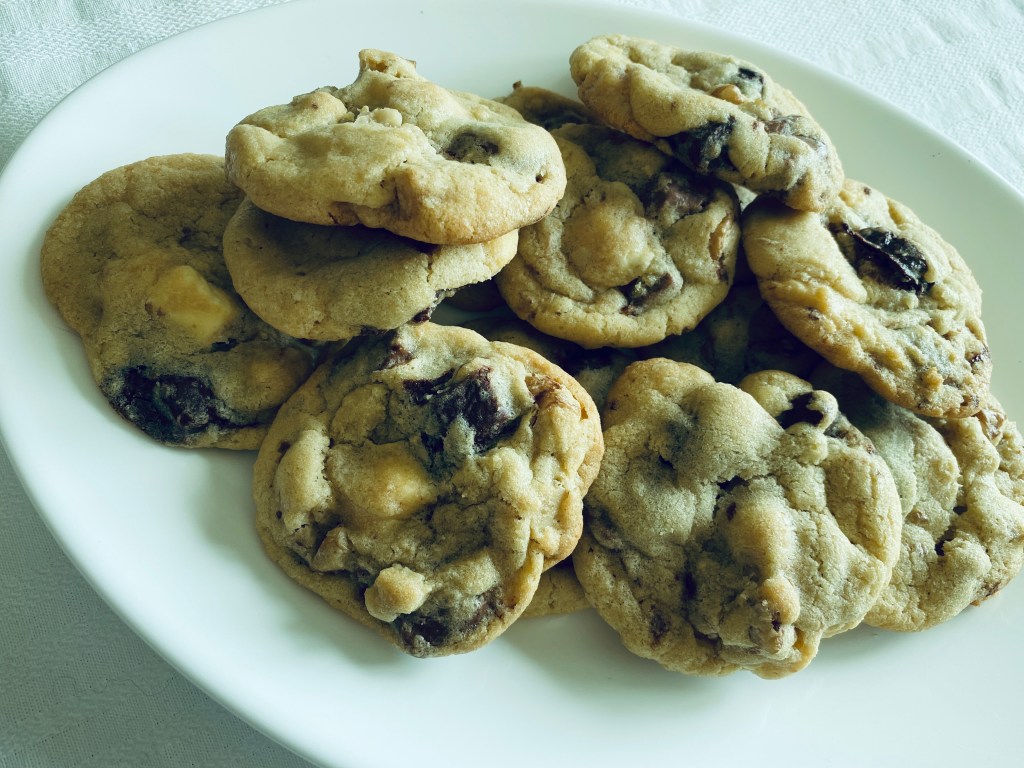
Chunky Triple Chocolate Chip Walnut Cookies

This is my ultimate bake. Simple, satisfying and has at times functioned in place of an emotional support animal. Get right down to the recipe below + a mobile friendly version, and keep scrolling for tips and more.

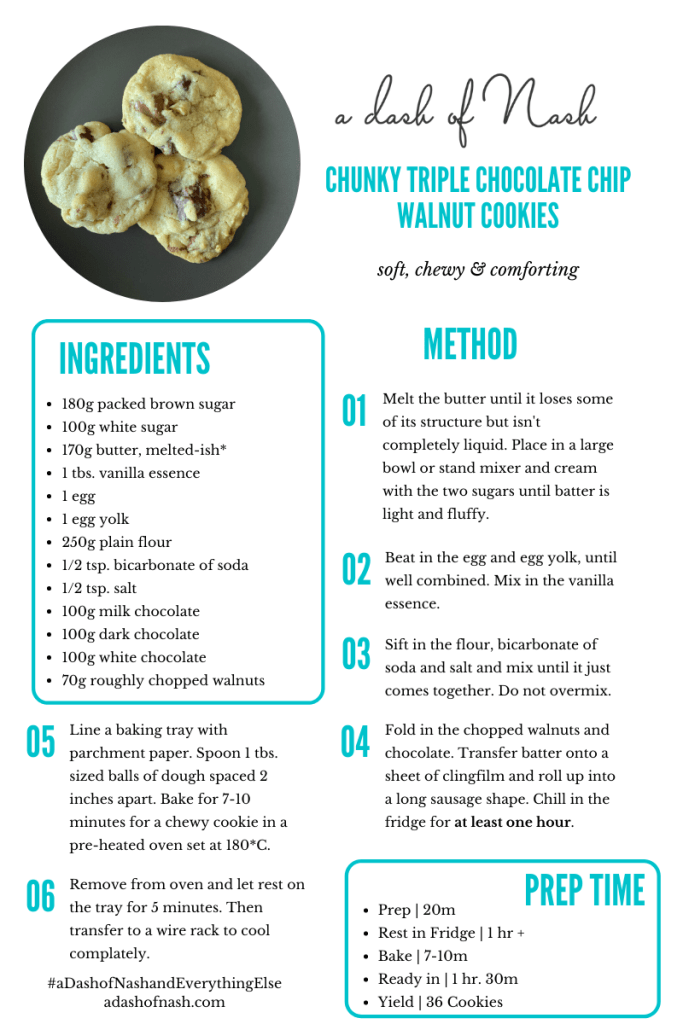
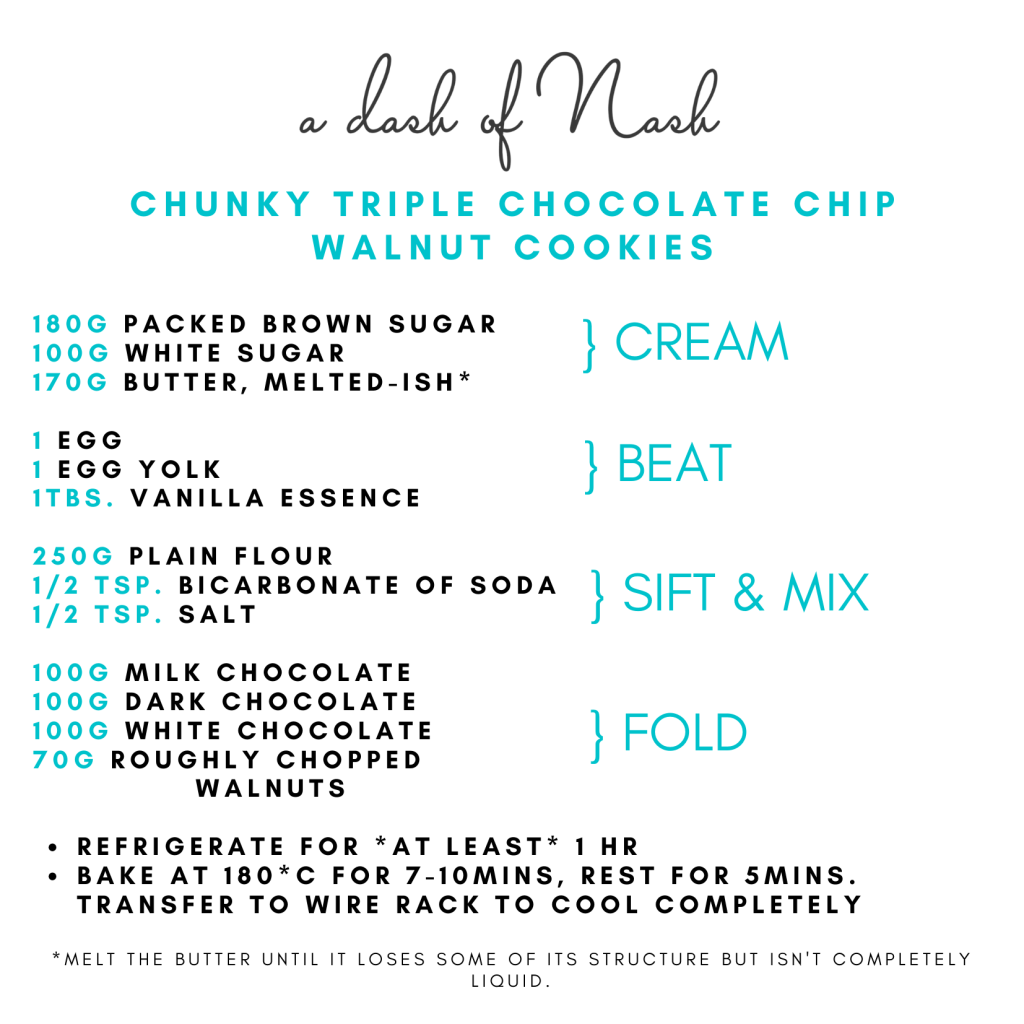
All you really need to know is that my love for the humble chocolate chip cookie is a borderline obsession. If that’s enough to convince you to make this recipe – here you go:

…..Or save this quick reference image on your phone.

This recipe began its life fifteen years ago (!) as the Best, Big, Fat Chewy Chocolate Chip Cookie recipe on allrecipies.com. I’ve spent the last decade and a half tweaking it to taste. A note on some of the ingredients:

CHEWINESS There are several components to this recipe to maximise on chewiness. Using two kinds of sugar, an additional egg yolk and softer butter all help with this. Using white sugar as well as brown sugar keeps it crispy on the outside, chewy on the inside. Win/Win.

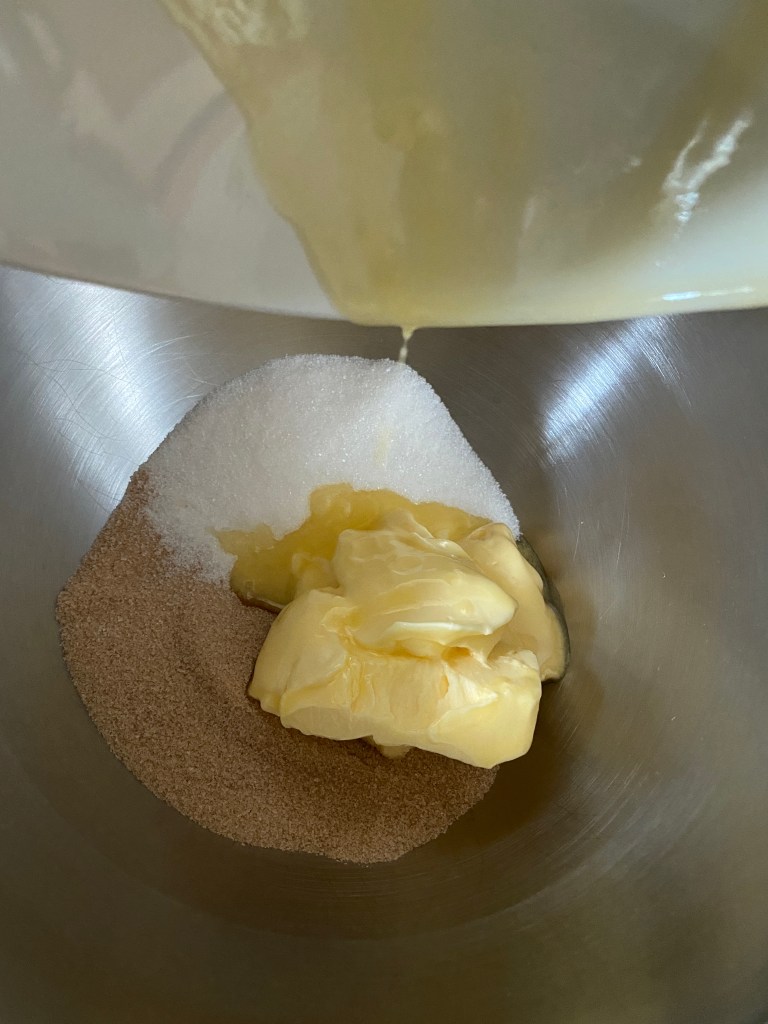
BUTTER You may notice that I’ve specified a weird half-melted state for the butter. This is because I live in the tropics and melting the butter completely leads to a greasier cookie and doesn’t hold shape as well as I’d like, even after refrigeration. I have a 700watt microwave, so a quick 15-20 second blast helps achieve the below. It’s definitely liquid in places, but has a thicker consistency than completely melted butter.

SUGARS Any packed (fine-grain) brown sugar works. I’ve used Light Brown, Dark Brown or Muscovado with success. The darker the sugar the deeper the flavour, so if you don’t want a deep molasses after-tase, opt for a lighter brown sugar.

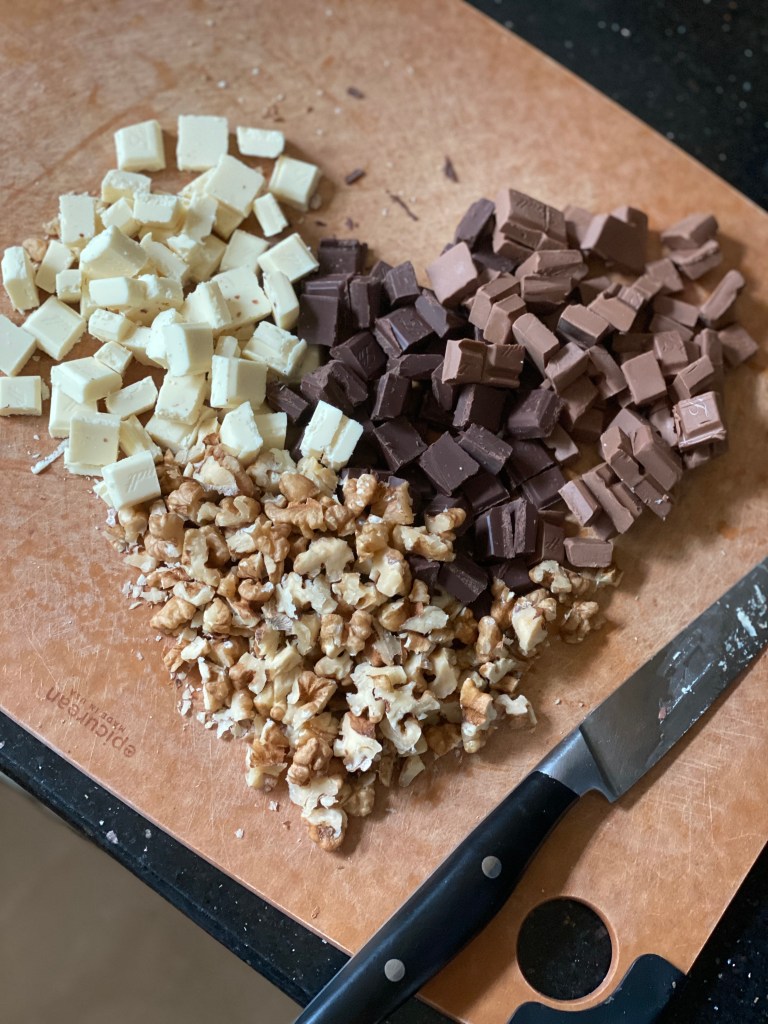
CHOCOLATE I’m not a fan of ready-made chocolate chips as they vary greatly in flavour and quality. Chocolate is the star of this cookie so you want to use something that will help it shine. My go-to is Lindt 100g bars of milk, dark and white.

REFRIGERATION Do not skip this step! Once you’ve beaten the everlasting life out of your softened butter, you’ve got to help it solidify in order to hold all the ingredients together when it goes into a hot oven. Don’t risk a goopy sad cookie after all that effort. Refrigerating cookie dough helps control spread. Keeping it in the fridge for at least an hour ensures that you won’t end up with a thin, inconsistent batch. This is especially true for this recipe as it calls for the butter to have such a soft consistency. I also keep my ‘dough snake’ it in the fridge between batches for consistency.

I’ve even made the batter a day or two in advance and baked cookies fresh as needed! (But I stopped doing this because we quickly found out that ‘as needed’ was all the time in this household…)

VANILLA is also sort of optional. I cannot believe I’m saying this, because I put vanilla essence in every bake, whether or not it’s called for, but a recent shortage at the shops has led to this discovery. I still recommend it because of the nostalgic pull of the scent and flavour but yes – not actually essential for this recipe if you’ve run out!

WALNUTS are optional, but texturally required in my opinion to add some crunch to an otherwise heavenly-soft cookie. You could also try any other kind of nut, or oats.

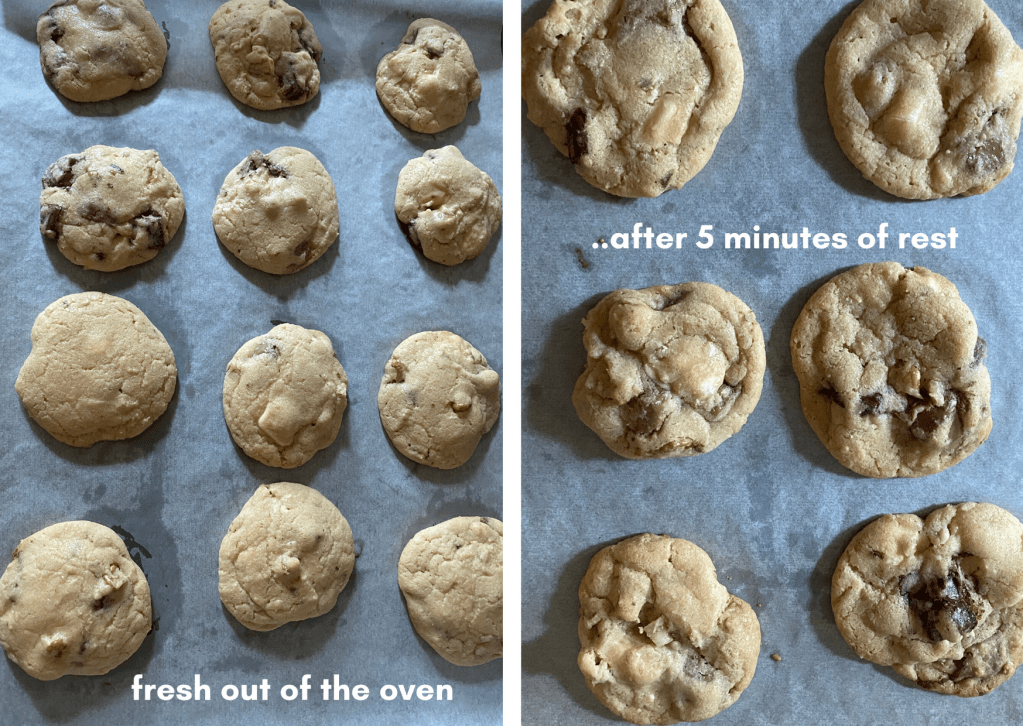
BAKE TIME varies based on your oven, cookie size and chewiness preference. A longer bake yields a crispier cookie. Play around and see what works for you. For my oven, 9-10 minutes is the sweet spot. For years, I used a smaller table-top oven, with an optimal bake time of 7 minutes. I know the cookies are done when they look like they are about to get crisp edges. They don’t look wet, but are still a little puffy.

When they first come out of the oven they will be pale and fragile so it’s important to leave it untouched on the tray to harden before transferring to a wire rack.

This cookie is a family staple and has doled out the yum for friends, family and neighbours over the years. If you make it, I’d love to know how it turned out for you.